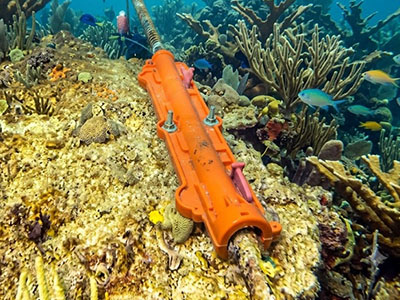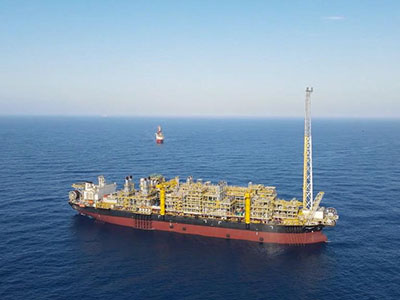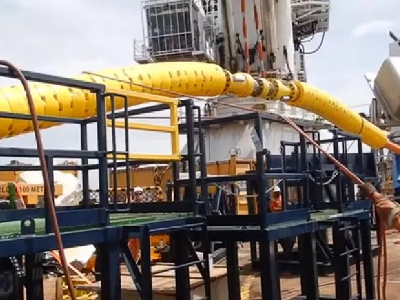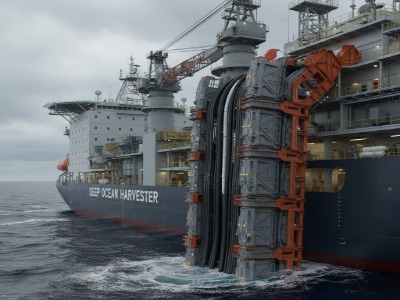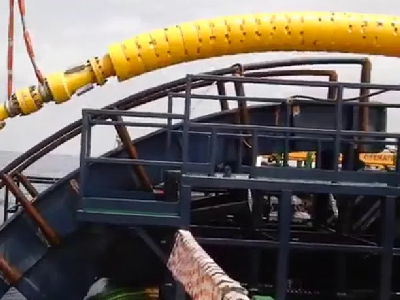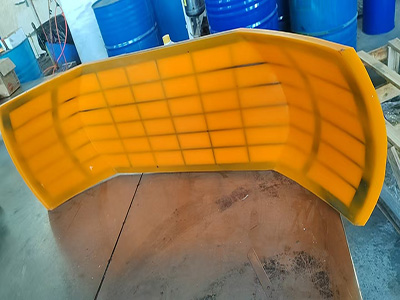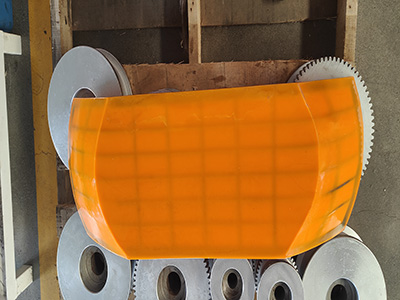
In subsea oil and gas production, SURF systems (Subsea Umbilicals, Risers, and Flowlines) are typically laid onto rigid structures when connecting to end terminations (such as PLETs, J-tube entries, and wellhead connectors). Year-round hydrodynamic forces, currents, vibrations, and installation stresses concentrate heavily at terminal interfaces. Without protection, this stress concentration leads to fatigue, overbending, buckling, and signal loss or catastrophic structural failure. However, a bend restrictor prevents damage to flexible pipelines, umbilicals, or cables by limiting their bending.
Key Technical Advantages of Vertebrae Bend Restrictors
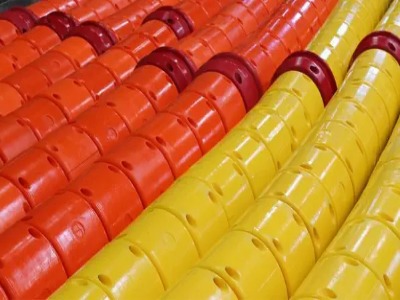
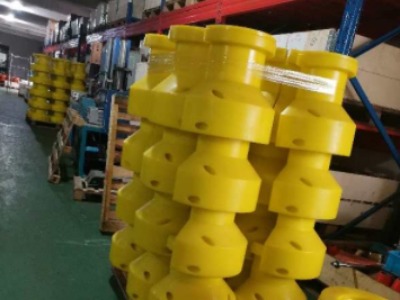
Modern offshore operators increasingly specify split-shell, interlocking configurations due to their operational and mechanical superiority. Discovering the full range of advantages of vertebrae bend restrictors for subsea cables and umbilicals reveals several critical performance metrics:
Marine-grade corrosion resistance: Our bend restrictors utilize marine-grade polymers to offer superior corrosion resistance against harsh subsea environments.
Cascade Failure Protection: Featuring an independent joint load-bearing structure, our bend restrictors prevent localized stress from propagating to adjacent modules, effectively safeguarding the entire assembly against cascading failure.
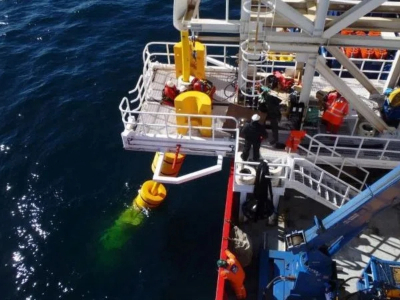
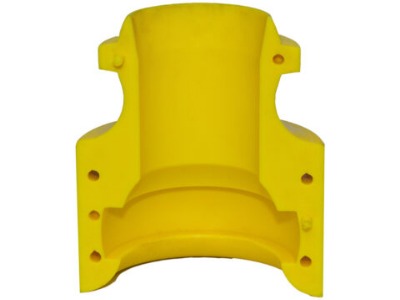
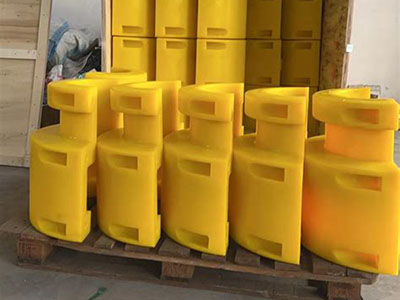
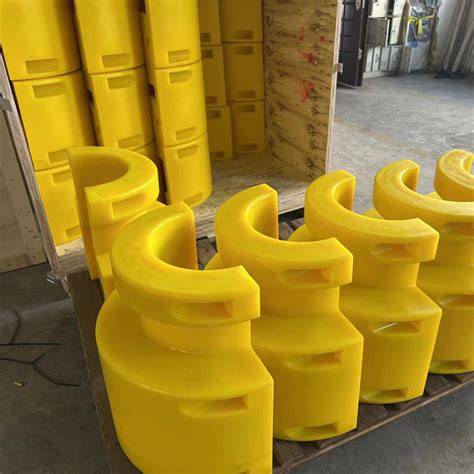
Installation & Operational Efficiency: Our polyurethane bend restrictors are bolted together as two half shells around the cable during deployment, eliminating the need for line termination and facilitating seamless installation for offshore cable-laying vessels and ROV support teams.
Subsea Applications Across Offshore Industries
While terminal connections represent the primary use case, bend restriction technology is engineered to accommodate diverse subsea operational profiles:
Tethered Remotely Operated Vehicles (ROVs): High-frequency dynamic handling at deepwater depths demands specialized protection. Utilizing tailored underwater bend restrictors for ROV umbilicals protects delicate power and data tethers against sharp excursions near handling cages and launchers.
Marine Seismic Surveys: Seismic exploration vessels deploy extensive towed arrays that face constant surface wave action. Implementing a dedicated seismic streamer bend protection system for survey vessels eliminates acute strain at the vessel-to-water interface during high-speed towing.
Mainline Oil, Gas & Offshore Wind Umbilicals: Serving as the central lifeline for subsea developments, installing heavy-duty subsea umbilical bend restrictors secures vital power and control lines against extreme bending fatigue at dynamic-to-static interface zones.
Renewable Energy Infrastructure: As offshore floating wind farms scale up globally, choosing the right protection strategy is paramount. Understanding the trade-offs in offshore wind cable protection: dynamic stiffeners & bend restrictors helps developers correctly specify whether a continuous stiffness gradient or a mechanical lock-up mechanism is required for array and export cables.
About Philson Subsea
As a dedicated subsea cable accessories manufacturer, Philson provides high-performance polyurethane cable protection solutions engineered to protect subsea umbilicals and flowlines in demanding offshore environments.
Custom Engineering & Bespoke Solutions
Philson provides both standardized and fully bespoke subsea bend restrictors tailored to your specific project requirements, ensuring flawless mating with rigid structures and optimizing offshore deployment efficiency. Contact our engineering team today to request a technical proposal or customized quote for your subsea pipeline project.
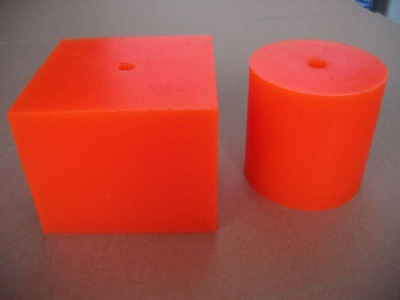
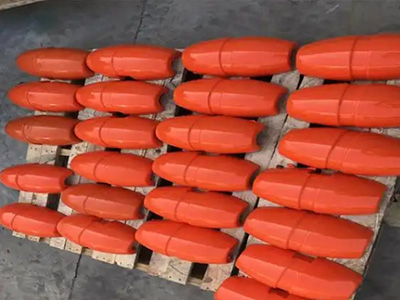
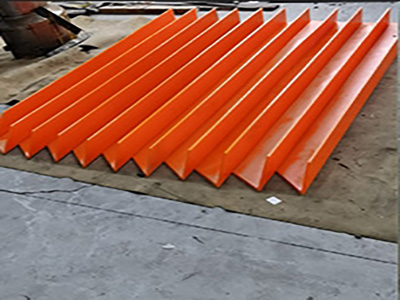
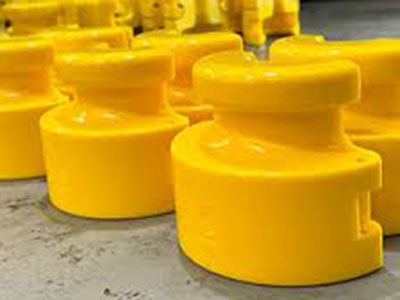
Polyurethane Split-Shell Bend Restrictors Showcase
Contact us via your preferred channel. We provide 24/7 email support. Submit the form below, and we will answer your questions promptly.