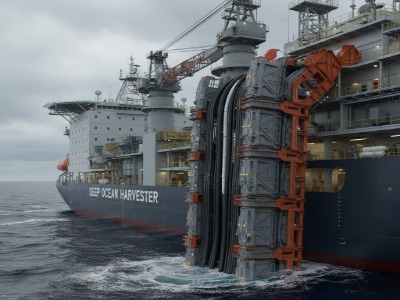
Subsea engineering systems operate in one of the most challenging environments on earth, where components are exposed to high hydrostatic pressure, seawater corrosion, temperature variation, mechanical loads, and long-term fatigue cycles. Selecting the correct material is therefore critical to ensuring reliability and extending service life.
One common misunderstanding in subsea applications is that low-density materials are always preferred because they reduce weight, while high-density materials are considered inefficient. In reality, density is only one factor among many. The correct choice depends on whether the material is required to provide mechanical protection, structural reinforcement, buoyancy, thermal insulation, or environmental isolation.
For subsea cable protection systems, offshore structures, and buoyancy solutions, high-density and low-density polyurethane-based materials often serve completely different purposes.
1. Understanding the Role of Density in Subsea Materials
Density describes the mass of a material per unit volume. In subsea applications, it directly influences:
Buoyancy performance
Mechanical strength
Compression resistance
Structural stability
Installation weight
However, density itself does not determine whether a material is "better." Instead, it reflects the material structure and formulation.
Generally:
High-density materials:
More solid polymer structure
Higher mechanical strength
Better wear resistance
Higher load-bearing capacity
Low-density materials:
Cellular or foam structure
Lower weight
Higher buoyancy efficiency
Better thermal insulation properties
The key question is:
Is the material required to carry loads, or is it required to reduce weight and provide buoyancy?
2. When High-Density Materials Are Required
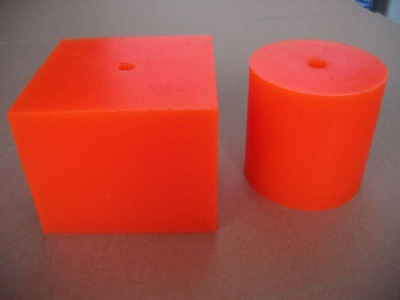
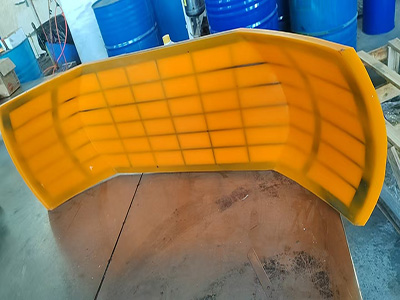
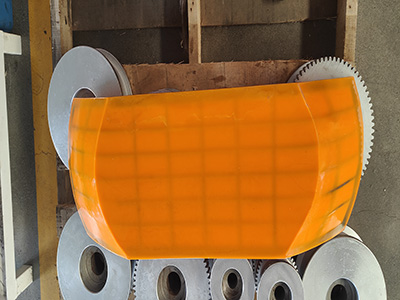
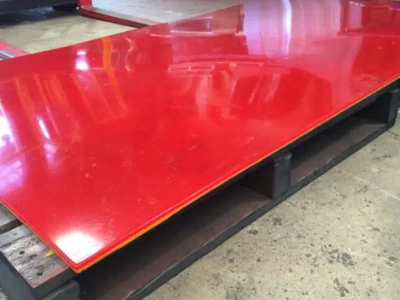
High-density polyurethane elastomers are commonly selected when the primary requirement is mechanical protection and load resistance.
Typical applications include:
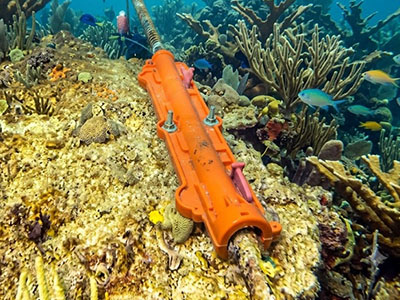
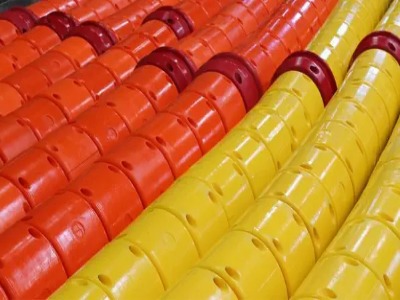
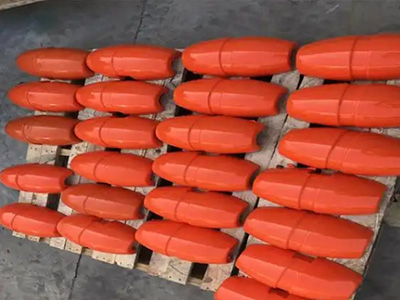
Bend limiters
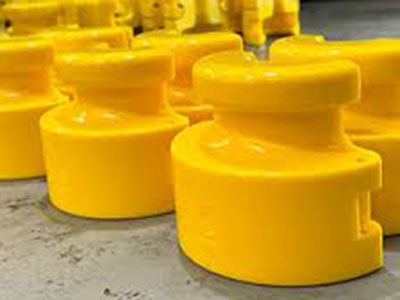
Bend stiffeners
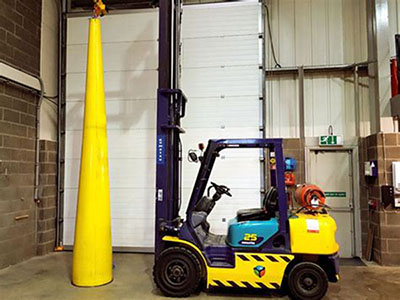
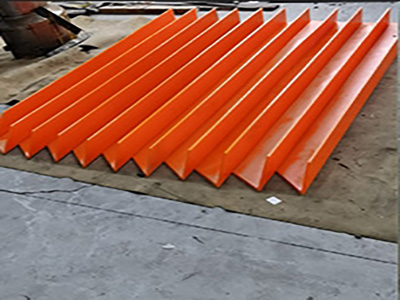
Impact protection components
Wear-resistant components
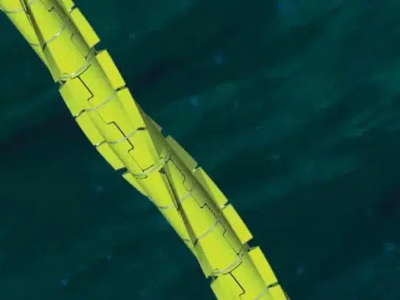
Example: Subsea Bend Limiter
A bend limiter is designed to prevent excessive bending of dynamic cables and umbilicals. During operation, the component experiences:
Repeated bending cycles
Tensile loads
Contact pressure between interlocking elements
Abrasion during installation or seabed movement
Therefore, the material must provide:
High stiffness
High tear resistance
Fatigue durability
Resistance to compression deformation
A low-density foam would not provide sufficient mechanical support.
For these applications, engineers typically select:
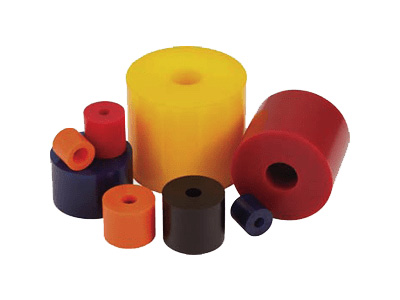
Solid high-density polyurethane elastomers
Typical characteristics:
| Property | Typical Requirement |
| Density | 1.1–1.3 g/cm³ |
| Hardness | 70A–95A |
| Tensile strength | High |
| Tear resistance | Excellent |
| Fatigue resistance | Excellent |
| Water absorption | Very low |
The purpose is not to reduce weight, but to maintain structural performance over decades of subsea service.
3. When Low-Density Materials Are Required
Low-density materials are preferred when the main objective is weight reduction or buoyancy generation.
Typical applications include:
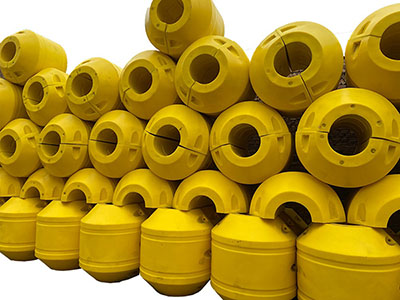
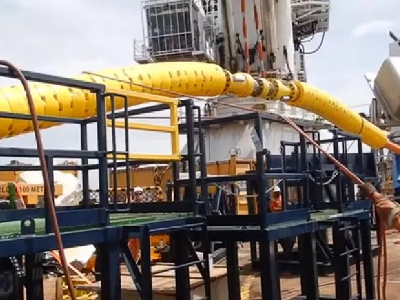
Riser buoyancy systems
Umbilical buoyancy elements
Cable flotation systems
Thermal insulation systems
Example: Subsea Buoyancy Module
A buoyancy module must generate positive lift in seawater. According to Archimedes' principle:
Buoyant Force = Displaced Water Weight - Material Weigh
The lower the material density, the greater the net buoyancy.
Therefore, buoyancy materials require:
Low density
Low water absorption
High compressive strength
Long-term pressure resistance
Typical materials include:
Closed-cell polyurethane foam
Syntactic foam
Glass microsphere-filled composites
Typical characteristics:
| Property | Typical Requirement |
| Density | 0.3–0.7 g/cm³ |
| Water absorption | Very low |
| Compression strength | High for foam structure |
| Pressure resistance | Suitable for operating depth |
| Thermal conductivity | Low |
4. Density Selection Must Follow the Engineering Function
A simple comparison:
| Requirement | High-Density Material | Low-Density Material |
| Mechanical reinforcement | Excellent | Poor |
| Impact protection | Excellent | Limited |
| Wear resistance | Excellent | Limited |
| Load transfer | Excellent | Limited |
| Buoyancy | Poor | Excellent |
| Weight reduction | Poor | Excellent |
| Thermal insulation | Limited | Excellent |
| Structural stiffness | High | Low |
5. The Importance of Hydrostatic Pressure
Subsea materials must also be evaluated under pressure.
At increasing water depth:
Gas-filled structures may compress
Foam cells may collapse
Material stiffness may change
Fatigue performance may decrease
For deepwater applications, engineers must consider:
Compressive strength
Pressure creep
Volume stability
Long-term water absorption
A low-density foam that performs well in shallow water may not be suitable for deepwater conditions without special formulation.
Conclusion
The selection between high-density and low-density materials for subsea applications is not simply a question of reducing weight or increasing strength. Each material type has a specific engineering role.
High-density polyurethane elastomers are preferred for applications requiring mechanical strength, bending control, abrasion resistance, and structural protection, such as bend limiters and cable protection systems.
Low-density polyurethane foams and syntactic materials are preferred for applications requiring buoyancy, weight reduction, and thermal insulation, such as subsea buoyancy modules.
The most effective subsea designs often combine both approaches, using each material where it delivers the greatest engineering value. The correct material choice begins with understanding the problem first — then selecting the material.
Reliable Subsea Cable Protection Solutions from Philson
Choosing the right material is essential for subsea reliability, but successful protection systems also depend on engineering expertise, material knowledge, and manufacturing capability.
With extensive experience in polyurethane solutions, Philson provides comprehensive subsea cable protection support, including bend restrictors, bend stiffeners, cable protectors, J-tube components, and buoyancy solutions. By combining advanced material technology with customized design and precision manufacturing, Philson helps customers develop reliable protection systems for demanding offshore environments.
From high-density polyurethane elastomers for mechanical reinforcement to low-density materials for buoyancy applications, Philson delivers optimized solutions tailored to each project's specific requirements.