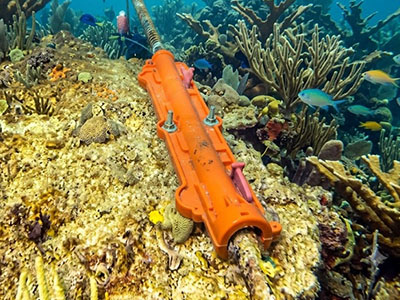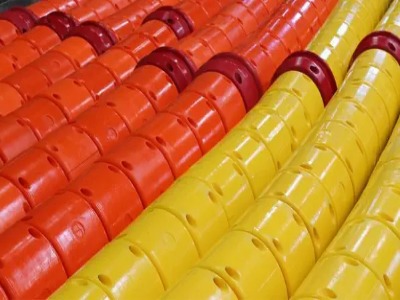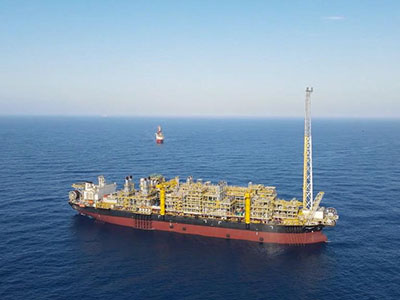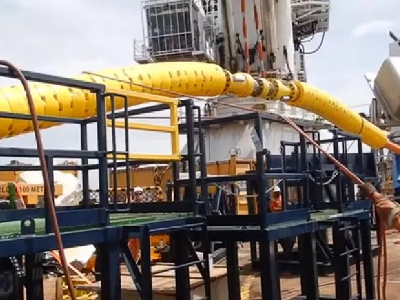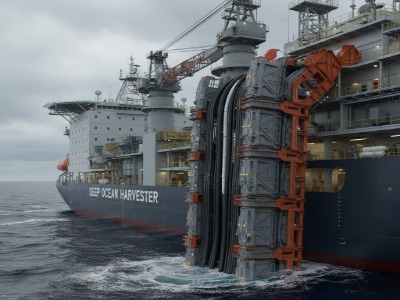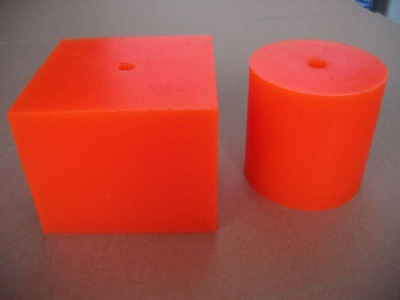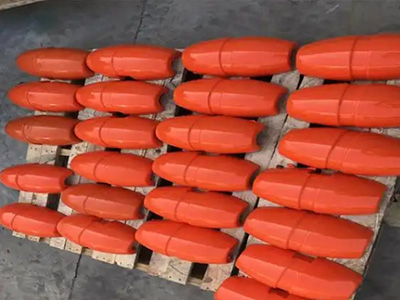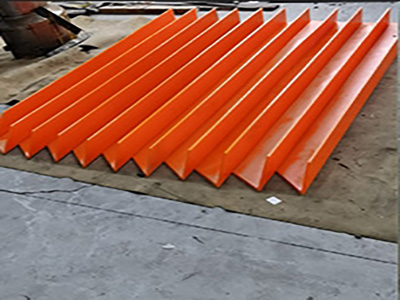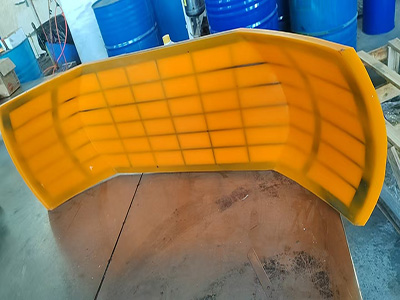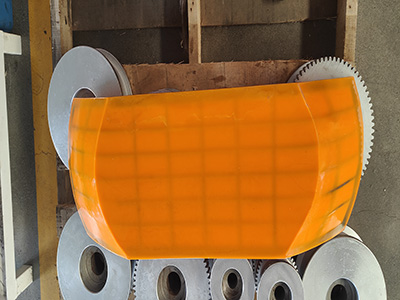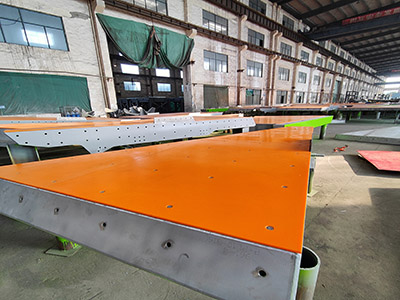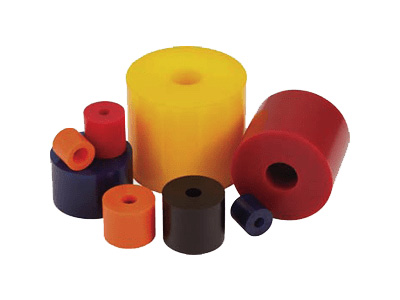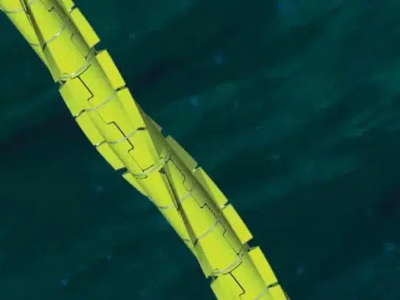
Polyurethane (PU) has become one of the most widely used elastomeric materials for subsea cable protection systems, including bend restrictors, bend stiffeners, cable protectors, and dynamic umbilical protection components. Its excellent abrasion resistance, elasticity, tear strength, and fatigue performance make it suitable for long-term offshore service.
However, the mechanical properties of polyurethane are not constant throughout its service life. In deepwater applications, hydrostatic pressure, low temperature, seawater immersion, cyclic loading, and environmental aging interact simultaneously, gradually changing the material's behavior. These changes directly influence the configuration design of subsea protection systems.
Rather than considering polyurethane properties alone, engineers evaluate how environmental conditions affect structural performance over a design life of 20–30 years.
1. Hydrostatic Pressure and Material Response
At water depths exceeding 1,000 meters, polyurethane components are continuously exposed to hydrostatic pressures of approximately 10 MPa, while ultra-deepwater installations may experience pressures exceeding 30 MPa.
Although polyurethane is considered a low-compressibility elastomer, prolonged exposure to high hydrostatic pressure can slightly reduce its free molecular volume, producing small changes in volumetric deformation and apparent elastic response.
These pressure-induced changes may result in:
Slight increases in apparent elastic modulus
Changes in stress distribution between polyurethane and the protected cable
Higher contact pressure at critical support locations
Small variations in bending stiffness
While these changes are generally modest, they become important for long-term fatigue-sensitive structures such as dynamic umbilicals and flexible risers. Therefore, hydrostatic pressure should be incorporated into finite element analysis (FEA) during configuration development rather than relying solely on laboratory measurements conducted at atmospheric pressure.
2. Coupled Effects of Pressure and Temperature
Deepwater polyurethane components rarely experience pressure alone. Instead, pressure and temperature act together throughout their operational life.
Near the seabed, seawater temperatures typically remain between 0°C and 4°C. At the same time, production fluids inside flexible risers may exceed 80°C or even 120°C, creating significant thermal gradients across the polyurethane component.
These temperature variations influence:
Elastic modulus
Flexibility
Impact resistance
Compression behavior
Fatigue performance
Low temperatures generally reduce molecular mobility, making polyurethane less flexible, while elevated temperatures soften the material and reduce stiffness.
Material selection should therefore consider the glass transition temperature (Tg) as well as long-term mechanical performance over the expected operating temperature range. Pressure-temperature coupled analysis is commonly performed during subsea product design to evaluate these combined effects.
3. Long-Term Seawater Exposure and Hydrolysis
Continuous immersion in seawater introduces another important degradation mechanism: hydrolysis.
Polyester-based polyurethane is susceptible to hydrolytic degradation because water molecules gradually attack ester linkages within the polymer backbone. This irreversible process can reduce tensile strength, elongation, and fatigue resistance over time.
For this reason, polyether-based polyurethane is generally preferred for offshore dynamic applications due to its superior hydrolysis resistance and long-term durability.
Engineers also evaluate:
Water absorption
Mechanical property retention
Aging performance
Long-term dimensional stabilit
These characteristics are essential for products expected to remain in service for decades.
4. Marine Growth and Biological Effects
Although polyurethane itself exhibits good resistance to marine environments, long-term biological exposure still requires consideration.
Marine organisms such as barnacles, algae, and biofilms can accumulate on exposed surfaces, increasing hydrodynamic drag and adding weight to dynamic systems. Biofilm formation may also create localized environments that retain moisture and accelerate surface aging.
Rather than relying on biocides, offshore polyurethane components more commonly utilize:
Smooth surface finishes
Marine anti-fouling coatings
Biofouling-resistant formulations
These measures help reduce long-term maintenance requirements.
5. UV Exposure and Splash Zone Aging
Ultraviolet degradation is generally not a concern for deepwater installations. However, polyurethane components installed in splash zones, topside structures, or J-tube entrances may be exposed to sunlight for many years.
Long-term UV exposure may cause:
Surface discoloration
Micro-cracking
Reduced surface elasticity
Accelerated weathering
UV stabilizers and protective coatings are therefore commonly incorporated into polyurethane formulations intended for above-water service.
6. Mechanical Wear and Cyclic Fatigue
Dynamic offshore systems are continuously subjected to wave motion, platform offsets, ocean currents, and vessel movements.
These environmental loads generate millions of bending cycles during the service life of bend restrictors and bend stiffeners.
Consequently, polyurethane materials must provide excellent:
Abrasion resistance
Tear resistance
Cut resistance
Fatigue resistance
Crack propagation resistance
Even small manufacturing defects, voids, or interfacial imperfections may become fatigue initiation sites under repeated cyclic loading. Configuration optimization therefore focuses not only on material selection but also on stress distribution, geometry transitions, and load transfer between polyurethane and metallic end fittings.
7. Time-Dependent Material Behavior
In addition to immediate mechanical responses, polyurethane also exhibits time-dependent behavior throughout its service life.
Engineers evaluate:
Compression set
Creep
Stress relaxation
Long-term dimensional stability
These properties influence how effectively polyurethane components maintain contact pressure and structural support after years of continuous loading. Designs intended for 20–30 years of subsea service must account for these gradual changes during both material selection and structural analysis.
8. Engineering Implications for Configuration Design
Changes in polyurethane properties ultimately affect the configuration of subsea protection systems rather than simply the material itself.
Engineers may need to optimize:
Bend stiffener stiffness profiles
Bend restrictor segment geometry
Component length
Taper angle
Clamp position
Buoyancy module distribution
Minimum bend radius (MBR)
Contact pressure distribution
These parameters are typically validated through laboratory testing, finite element analysis (FEA), and qualification testing before deployment.
Conclusion
The long-term performance of polyurethane components in offshore environments is governed by the combined effects of hydrostatic pressure, temperature, seawater immersion, cyclic loading, and environmental aging rather than by any single factor.
Successful subsea configuration design therefore requires a comprehensive engineering approach that integrates advanced material selection, hyperelastic material modeling, finite element analysis, and long-term qualification testing. By understanding how environmental conditions influence polyurethane behavior throughout its service life, engineers can optimize bend restrictors, bend stiffeners, and other subsea protection systems to achieve reliable performance over 20–30 years of deepwater operation.