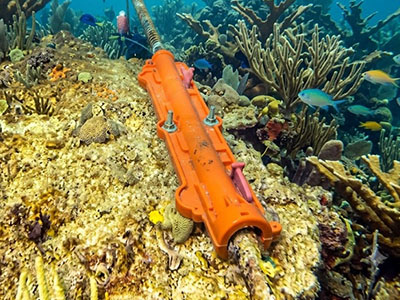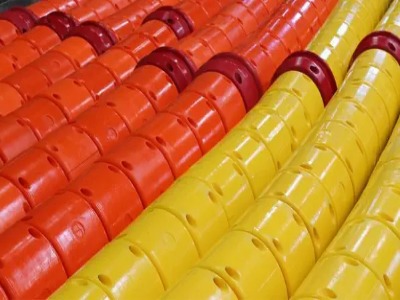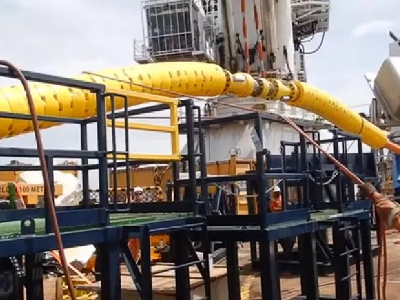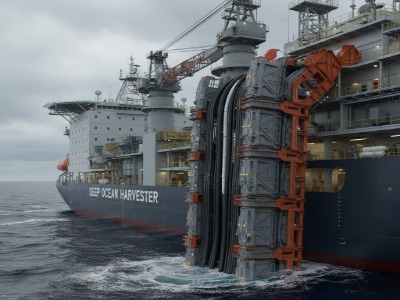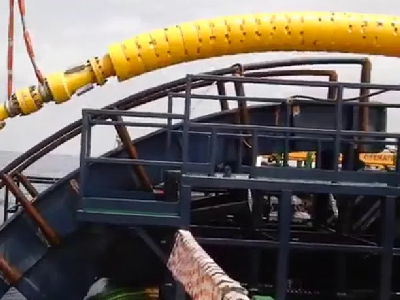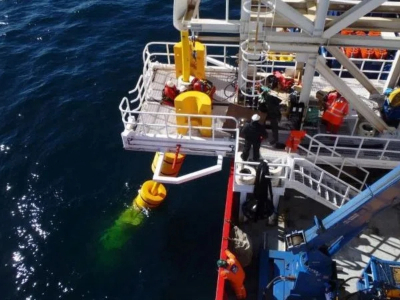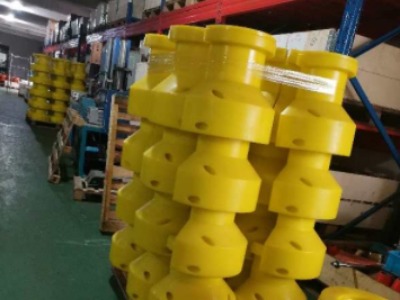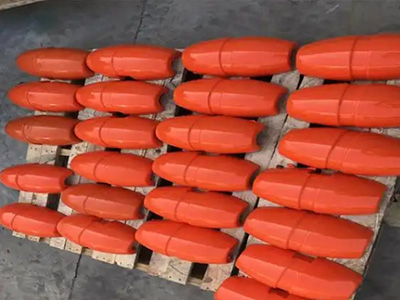
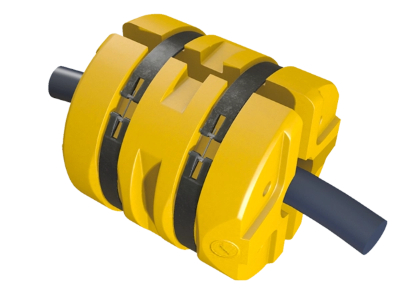
Umbilical cables are essential to offshore oil and gas production, offshore wind farms, and subsea mining operations. They consolidate power transmission, signal control, hydraulic fluid, and chemical injection lines into a single composite structure, directly connecting surface platforms to subsea production systems. Umbilical Buoyancy Modules (UBMs) are specialized buoyancy devices engineered for these cables. By installing these modules, engineers can precisely tune the buoyancy distribution of the umbilical, optimizing its configuration to ensure long-term stability within complex subsea environments.

The Role and Functional Necessity of Buoyancy Modules
In deepwater operations, heavy umbilical cables left in a "natural hanging" state face significant engineering risks. The primary objectives of installing buoyancy modules include:
Configuration Control: By strategically distributing buoyancy, the umbilical is induced to form specific geometries, such as a Lazy-wave or Catenary configuration. These shapes effectively buffer the umbilical against the mechanical fatigue caused by the heave, pitch, and roll of surface platforms.
Mechanical Stress Mitigation: Preventing the cable from exceeding its bending radius and shielding it from abrasion or damage caused by contact with rough seabed structures.
Operational Reliability: Keeping the cable suspended at a controlled depth, thereby avoiding bottom-dragging, which can lead to equipment damage or signal interference.
Features and Material Design of Buoy Modules
Umbilical buoyancy modules are not merely floats; they are precision-engineered pressure-resistant systems:
Material Composition: Typically constructed with a high-density polyethylene (PE) outer shell filled with syntactic foam. This combination provides high buoyancy and durability while maintaining a lightweight structure.
Pressure Resistance: Engineered for various water depths, these modules are designed to withstand extreme hydrostatic pressure without volumetric deformation, ensuring consistent buoyancy performance.
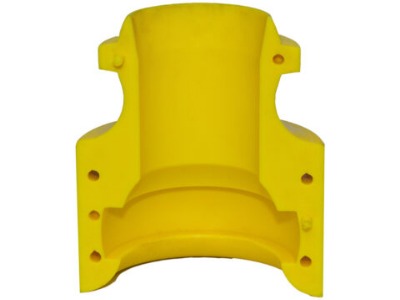
Modular Design for Easy Installation: Most UBMs feature a "split-half" design, allowing them to be clamped directly onto pre-laid cables. This eliminates the need to cut or disconnect the umbilical, significantly reducing installation time and costs.
Environmental Resilience: Designed for long-term immersion, they are resistant to seawater corrosion, biofouling, and the harsh impacts of oceanic weather.
Key Application Areas for Buoyancy Modules
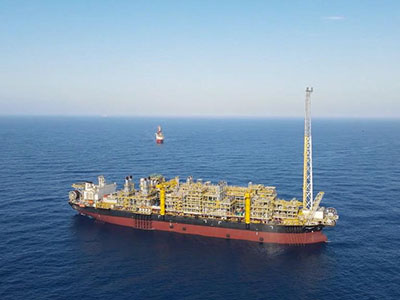
Deepwater Oil & Gas: Connecting Floating Production, Storage, and Offloading (FPSO) units to subsea wellheads.
Offshore Wind Farms: Protecting dynamic power cables from fatigue as they connect turbines to substations.
Subsea Operations & Research: Providing buoyancy for Remotely Operated Vehicle (ROV) tethers and scientific instrument cables to prevent entanglement.
Marine Security: Maintaining the positioning of underwater sensor arrays and long-distance communication systems.
Conclusion
Umbilical buoyancy modules serve as both "geometry controllers" and "system protectors" in subsea engineering. Through advanced materials science and structural design, they extend the service life of high-value subsea assets, reduce maintenance requirements, and mitigate the risks associated with operating in some of the world's most challenging marine environments.
Contact us via your preferred channel. We provide 24/7 email support. Submit the form below, and we will answer your questions promptly.