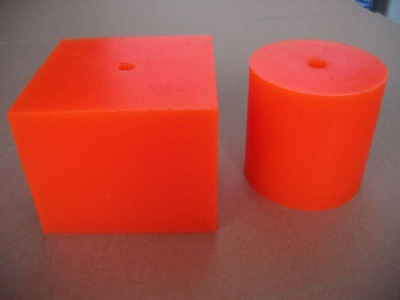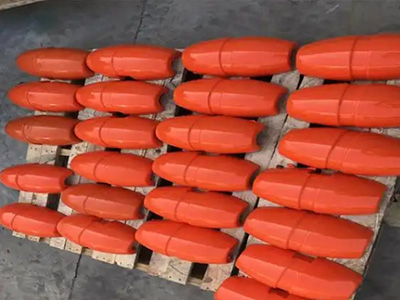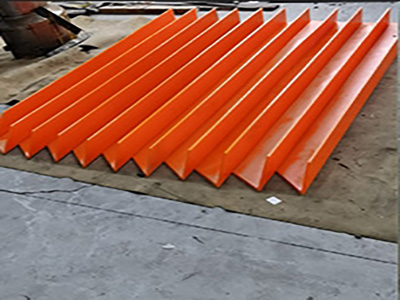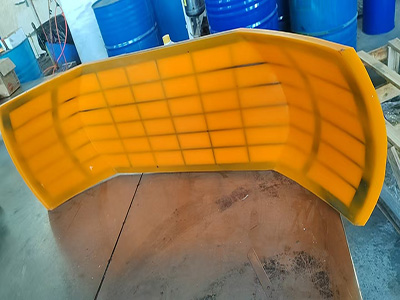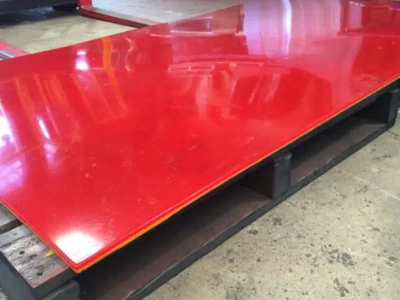
The project was situated at a critical cable termination point on an offshore oil platform in the Gulf of Mexico. Traditional steel bend stiffeners made offshore installation extremely challenging, and the steel required complex cathodic protection systems in the hydrogen sulfide-rich, corrosive seawater. During a preventive inspection, engineers detected early signs of internal corrosion in the existing epoxy-potted steel restrictors, which could have compromised the integrity of the umbilicals.
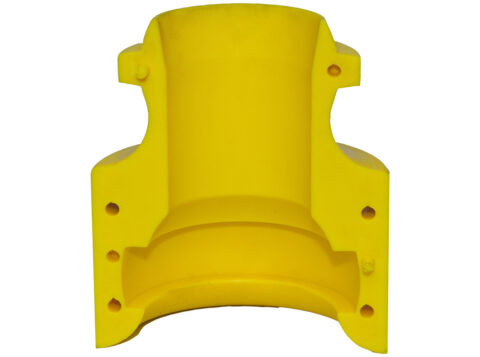
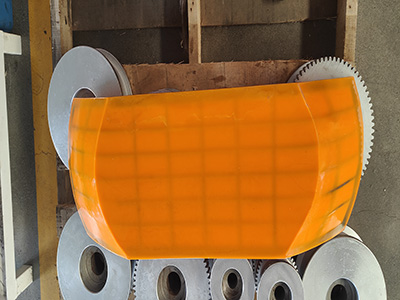
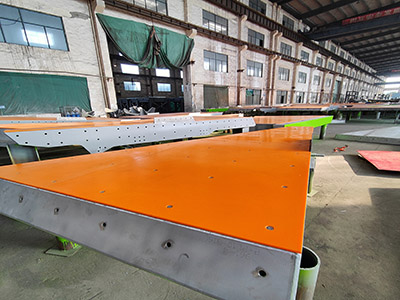
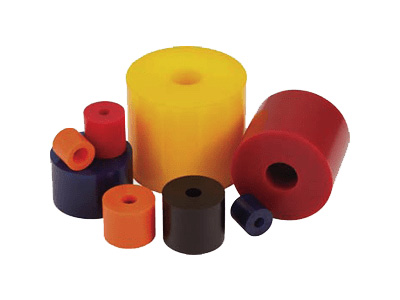
After multiple evaluations, we and the project team completely abandoned metal components and adopted a polyurethane hose separation and retention system. Once installed on the Gulf of Mexico platform, its advantages became immediately apparent:
First, a breakthrough was achieved in installation and maintenance. The polyurethane stiffeners reduced weight by up to 60% compared to traditional steel systems, making lifting operations on the platform safer and more efficient, while cutting installation time by 35%. Since they contain no metal components, they eliminated the need for cathodic protection in the corrosive environment of the Gulf of Mexico, simplified maintenance procedures, and avoided the long-term monitoring and replacement costs associated with it.
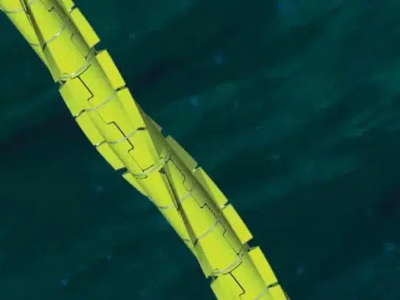
Second, the product demonstrated exceptional environmental adaptability. The polyurethane material itself offers outstanding resistance to chemical corrosion, enabling it to withstand erosion from hydrogen sulfide and salt in the Gulf of Mexico's waters. Its stiffness gradient, increasing gradually from the tip to the base, provides effective protection for the cables, preventing them from exceeding their minimum bend radius. Even under fluctuating conditions such as the Gulf of Mexico's summer surface water temperatures as high as 40°C and deeper low temperatures in winter, the material performance remained stable, ensuring long-term reliability.
For offshore wind, oil, and gas projects in Mexico facing similar challenges related to corrosion, weight, and maintenance, this technology has evolved from an innovative solution into a strategic choice for ensuring the long-term reliable operation of critical subsea assets. It demonstrates the lifecycle cost and safety benefits brought by non-metallic technologies in the region’s complex marine environment.