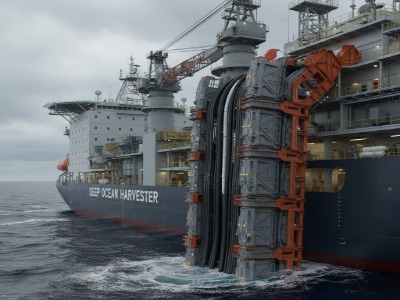
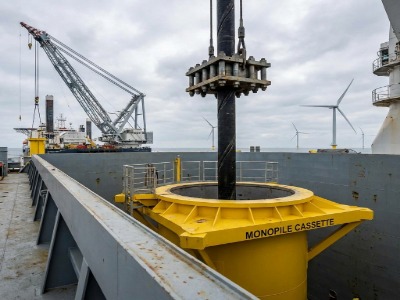
In the logistics and installation chain of offshore wind monopile (MP) foundations, if the Cassette system is the cradle that supports these steel giants during transit, then the Hang-off system is the backbone and essential interface within the pile itself. As offshore wind turbines scale up to unprecedented sizes, the design and operational logic of hang-offs have become critical factors in determining construction efficiency and structural integrity.
1. Core Definition: From Load Bearing to Anchoring
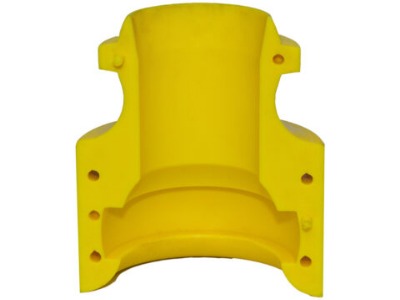
In the context of offshore wind, a Hang-off is not a single component but a sophisticated integrated structural system. Its primary function is load transfer. Whether it is a permanent subsea cable or a temporary internal work platform used during construction, the hang-off must reliably transfer vertical gravity loads to the monopile’s steel walls or the top flange.
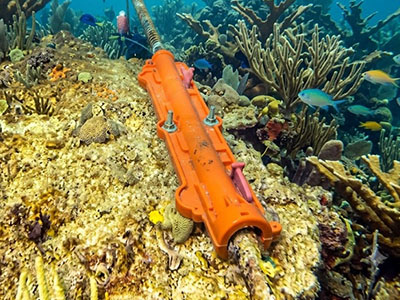
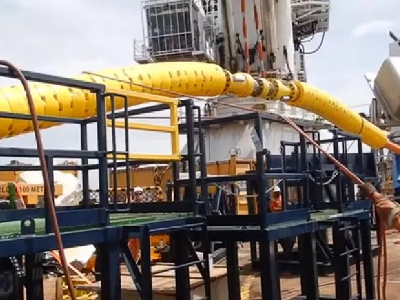
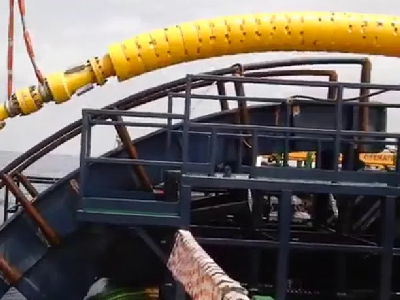
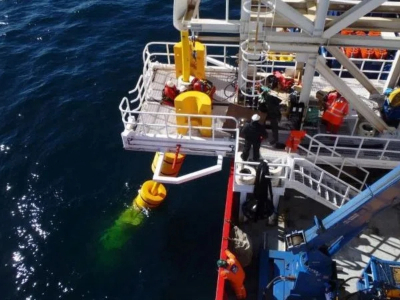
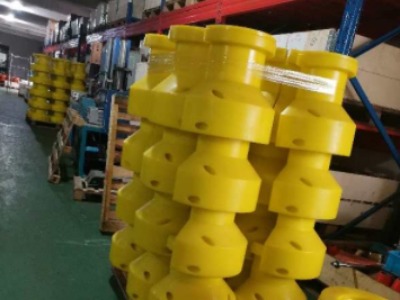
For subsea cables, the hang-off serves as the "anchor point" where the cable transitions from the dynamic seabed environment to the static internal environment of the pile. Through high-strength cable cleats or clamps, the mechanical tension of the cable is fully dissipated at this point, ensuring that the delicate internal conductors remain undisturbed by displacements caused by waves and currents.
2. Spatial Integration: The Synergy Between Cassettes and Hang-offs
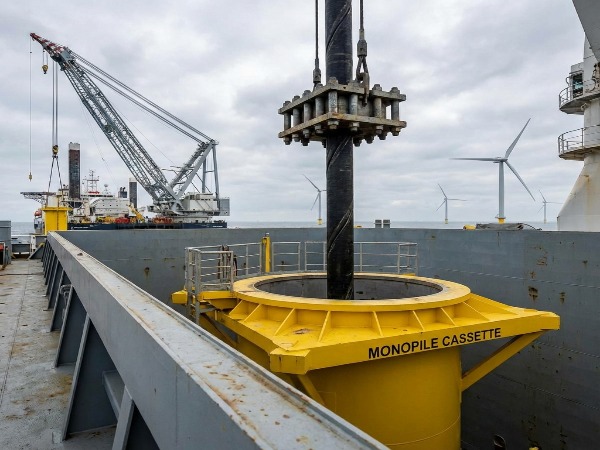
During the transport and storage phase, the design of the Monopile Cassette must be highly compatible with the Hang-off structures. This involves precise engineering considerations:
The Pre-installation Trend: To minimize expensive offshore operational windows, modern methods favor pre-installing internal hang-off platforms and cable guide systems at the onshore quay.
Clearance and Interference: When a monopile is laid horizontally on the support saddles of a cassette, the internal hang-off components must not collide with the saddle structures. This requires designers to calculate the Center of Gravity (CoG) and physical envelopes within the limited cylindrical space with extreme precision.
3. Technical Challenges: High Loads and Extreme Environments
The physical challenges faced by hang-off systems are representative of the harshness of offshore engineering:
Safe Working Load (SWL): As water depths increase, the self-weight of subsea cables grows exponentially. Hang-offs must possess a high SWL to withstand the dynamic tension generated during the cable pull-in process.
Dynamic Load Allowance (DAF): The motion of installation vessels and inertia during lifting require hang-off points to be designed with rigorous margins for dynamic stress.
Corrosion Protection and Sealing: Constantly exposed to salt spray and the splash zone, hang-offs rely on premium coatings or sacrificial anodes. Furthermore, they must ensure seal integrity at the interface to prevent corrosive marine air from compromising the monopile’s interior.
4. Conclusion: The "Neural Hub" of Offshore Wind
If the monopile is the skeleton of the wind turbine, the hang-off is the joint connecting that skeleton to the nervous system (the cables). It is more than a mechanical support—it is a focal point for construction process optimization. As monopile diameters march toward the 10-meter and 15-meter milestones, the deep integration of hang-offs and transport cassettes will continue to drive the offshore wind industry toward greater standardization and modularity.
Looking to optimize your offshore installation workflow? Understanding the synergy between Cassette logistics and Hang-off integration is key to reducing vessel days and ensuring structural longevity. Connect with our engineering team today to discuss how we can streamline your next XL/XXL monopile project. [Contact Our Experts]
Contact us via your preferred channel. We provide 24/7 email support. Submit the form below, and we will answer your questions promptly.