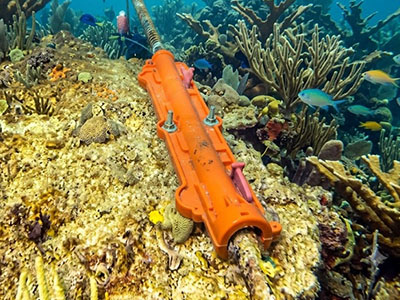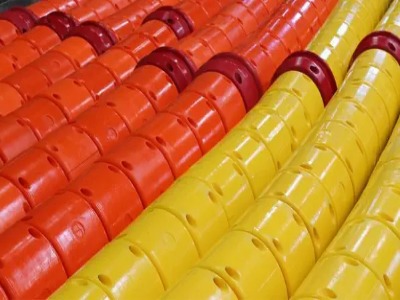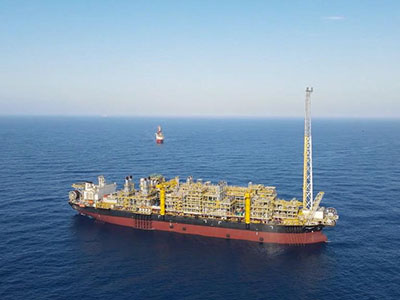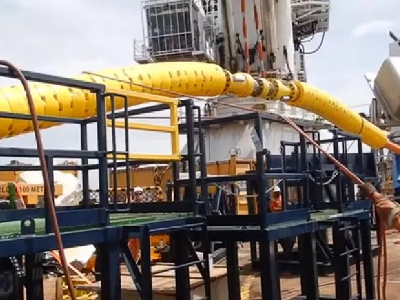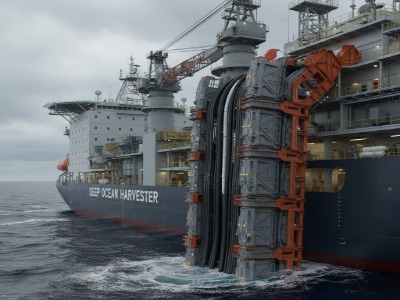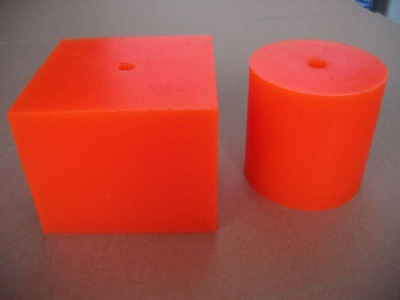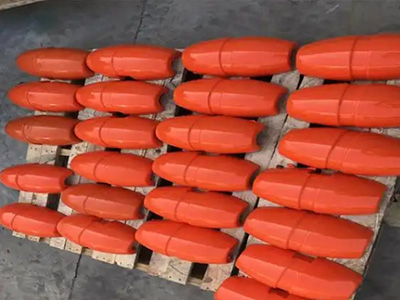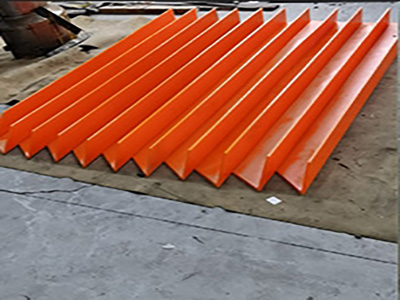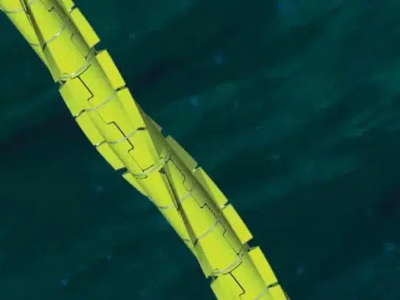
In offshore oil & gas exploration and offshore wind projects, the J-Tube serves as a vital conduit connecting subsea cables to surface platforms. The integrity of these tubes is paramount to the safety and reliability of the entire system. Because J-Tubes are permanently exposed to complex and highly corrosive marine environments, selecting the appropriate cable sealing compound is the critical step in preventing corrosion and water ingress.
To ensure the long-term operational integrity of these assets, engineers and procurement decision-makers should focus on the following key technical dimensions when selecting sealing materials.
Key Selection Criteria for J-Tube Seal
When conducting a technical evaluation, it is recommended to prioritize the following performance indicators to ensure the material can withstand harsh deep-sea conditions:
Superior Adhesion and Sealing Integrity: The material must form a robust physical seal against both the internal wall of the J-Tube and the cable outer sheath, preventing the infiltration of seawater and salt spray.
Chemical Resistance and Anti-Corrosion Properties: The sealant must be chemically stable to avoid reaction with cable jackets while effectively blocking electrolytes (seawater) to stop electrochemical corrosion.
Mechanical Strength and Flexibility: Offshore structures are subjected to dynamic vibrations from waves and currents, as well as thermal expansion and contraction. The material must possess sufficient tensile strength and flexibility to prevent cracking under high stress.
Underwater Curing Characteristics: Considering the installation environment, choosing materials that cure underwater or maintain stable adhesion in damp conditions can significantly reduce construction risks and project timelines.
Fire Safety and Environmental Standards: Compliance with international maritime standards (e.g., low smoke, zero halogen, fire ratings) is essential to ensure that the material does not cause chemical pollution to the marine ecosystem over its lifespan.
Industry Best Practices
To achieve optimal anti-corrosion results, it is not enough to select the right material; one must also strictly control the installation process:
Environmental Compatibility Assessment: Before procurement, perform a detailed assessment of the internal environment of the J-Tube and the operating temperature range to ensure the sealant will not harden, become brittle, or degrade under extreme temperatures.
Synchronized Installation Process: Even the highest-performing material can fail if the installation results in voids or uneven filling. Choosing a sealant system with excellent pumpability and leveling properties, combined with professional injection tools, is key to ensuring a complete seal.
Periodic Maintenance and Monitoring: Sealing is not a "set and forget" process. It is recommended to combine non-destructive testing techniques (such as ultrasonic scanning or regular visual inspections) to monitor the sealed area for signs of degradation.
Conclusion
The selection of J-Tube sealing materials should not be based solely on cost, but rather guided by the Life Cycle Cost (LCC) approach. A high-performance sealing compound that can withstand the test of time and environment not only reduces maintenance and replacement costs caused by corrosion but also ensures the long-term, stable operation of offshore infrastructure.