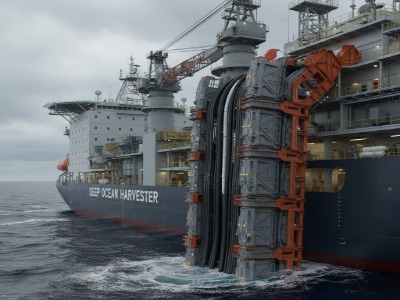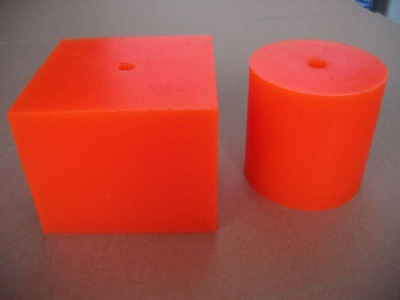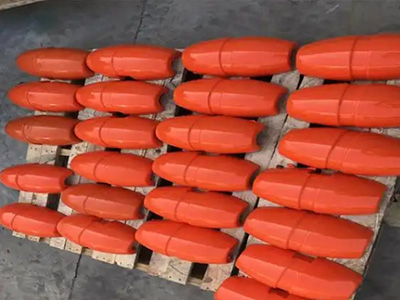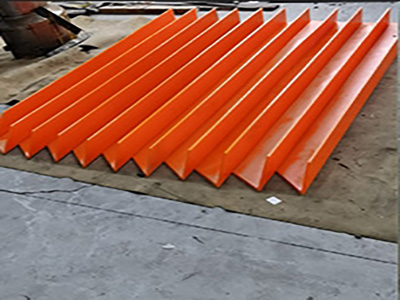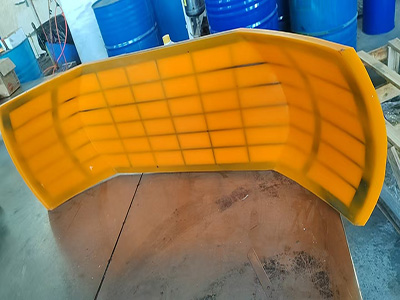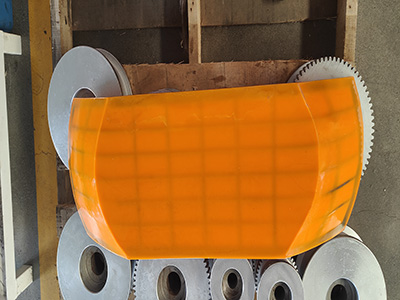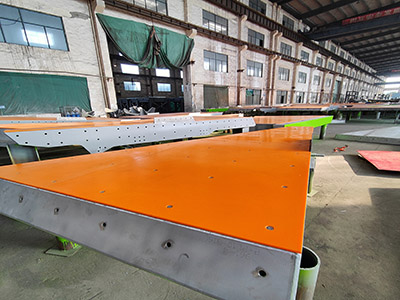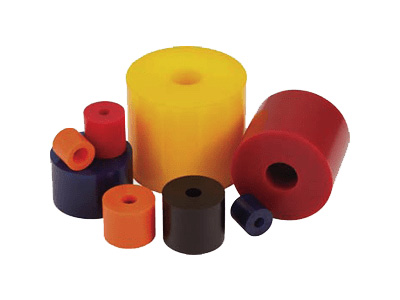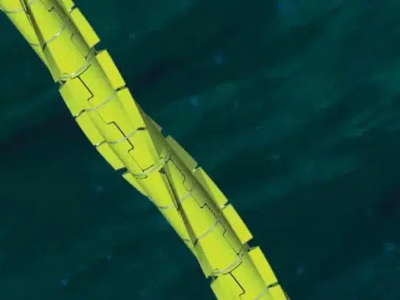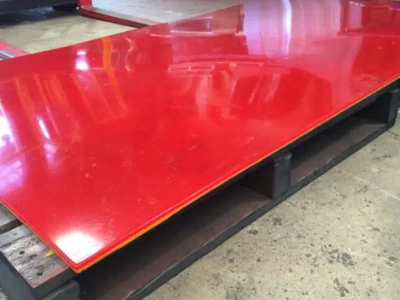
In subsea engineering, the stability of every connection point is vital to the integrity of multi-million dollar subsea pipelines. As a veteran manufacturer of subsea protection components, we understand that the performance of a polyurethane Bend Restrictor depends not only on the wear resistance of its segments but, more crucially, on the robustness and precision of the Reaction Flange (or Collar) at the platform interface.
What is a Reaction Flange?
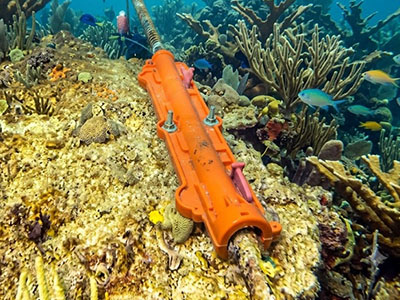
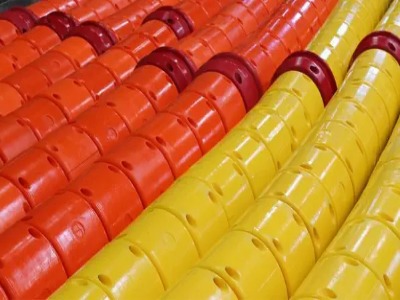
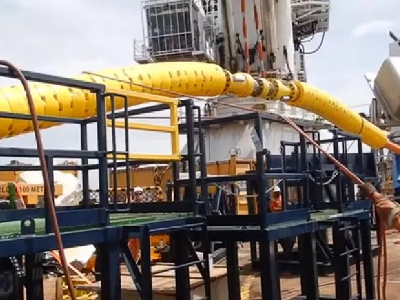
Simply put, a bend restrictor consists of multiple interlocking polyurethane segments. When a pipeline bends to a predetermined "Minimum Bend Radius" (MBR), these segments lock together to form a rigid protective shroud. The reaction flange acts as the "anchor" and "transition zone" between the restrictor and the rigid structure (such as platform interfaces, wellheads, or J-tube exits). It bears the massive shear forces, bending moments, and axial tensions exerted by the entire restrictor assembly, safely transferring these loads onto the rigid structure.
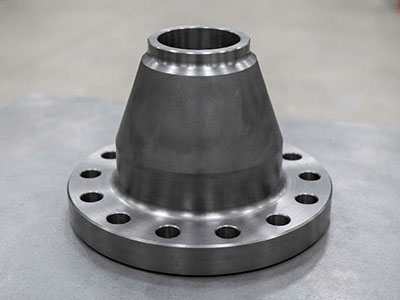
Core Design Considerations of Bend Restrictor Reaction Flange
The design of a reaction flange goes beyond simple metal fabrication; it must harmonize high mechanical strength with the demands of an extreme marine environment:
Material Synergy: Since polyurethane segments undergo deformation under extreme pressure, the reaction flange is typically crafted from high-strength structural steel. To ensure optimal compatibility with the polyurethane, the flange surface often undergoes specialized treatment to prevent stress concentrations that could lead to material tearing at the contact points.
Load Transfer and Fatigue Control: Engineers must precisely calculate bending moments during both the installation phase and the long-term service life. The reaction flange must smoothly transition stress from the flexible restrictor to the rigid structure. If the change in stiffness is too abrupt, the flange interface itself can become a "weak link" prone to fatigue failure.
Fastening and Corrosion Resistance: In deep-sea environments, fasteners (bolts and nuts) are typically manufactured from Super Duplex stainless steel to withstand long-term corrosion fatigue. Flange designs also integrate standardized bolt patterns to ensure rapid, secure installation and alignment.
Geometric Refinement: Modern flange design trends favor "streamlined" or custom geometries tailored to specific interfaces. By reducing surface area and optimizing the connection profile, we can minimize both total weight and the hydrodynamic loads imposed by subsea currents.
The Critical Role of the Bend Restrictor Reaction Flange
If a reaction flange fails, even the most robust bend restrictor segments become ineffective. The entire protection system may detach or shift from its connection point, leading to catastrophic, irreversible bending of expensive subsea cables or umbilicals under extreme sea states.
As a professional manufacturer of subsea protection equipment, we are dedicated to providing global clients with high-quality polyurethane bend restrictors and integrated connection systems. Whether for subsea power cables, umbilicals, or various subsea production systems, we uphold the most rigorous engineering standards to safeguard your subsea assets. We are not just manufacturing components; we are constructing an impenetrable barrier of safety for every one of your deep-sea operations.