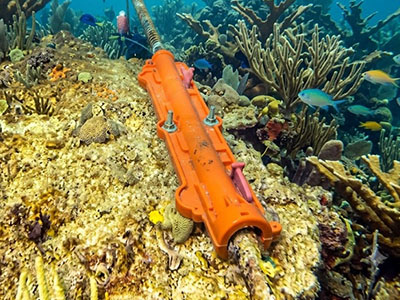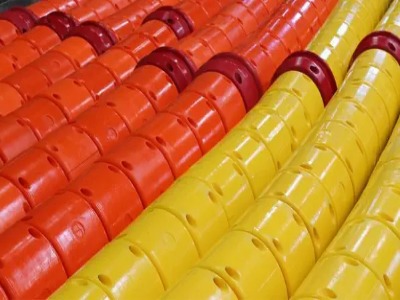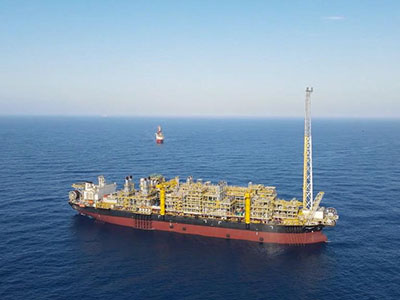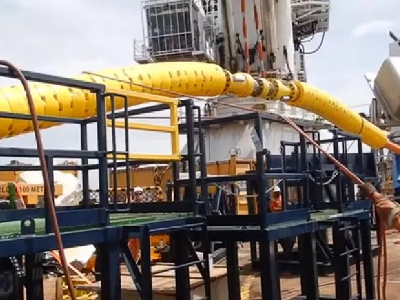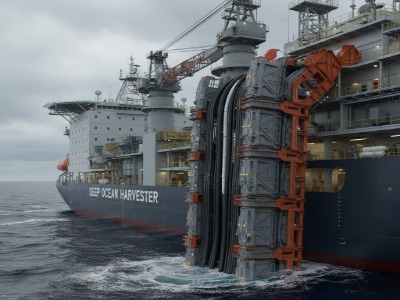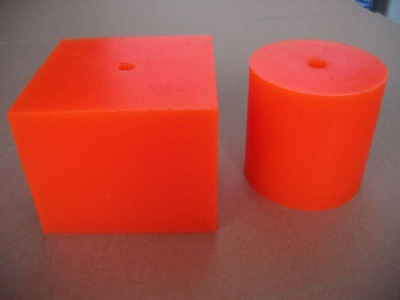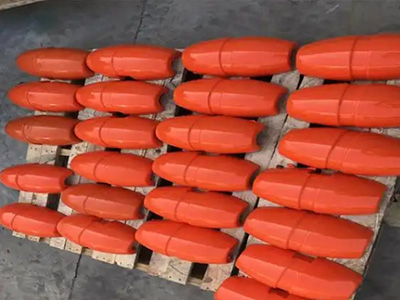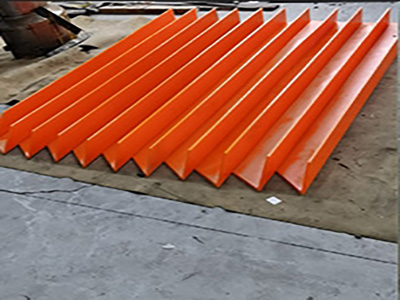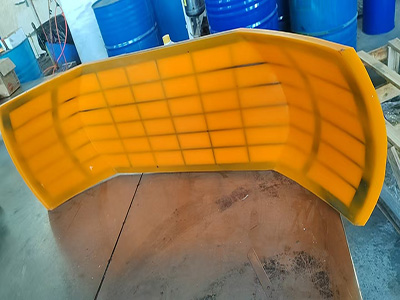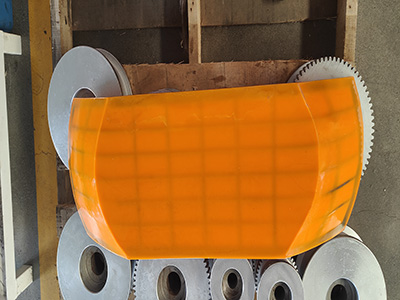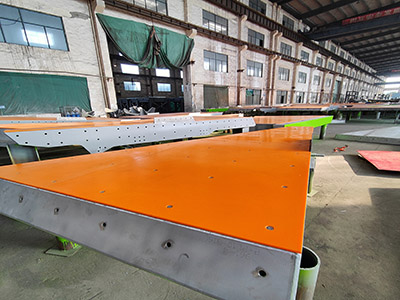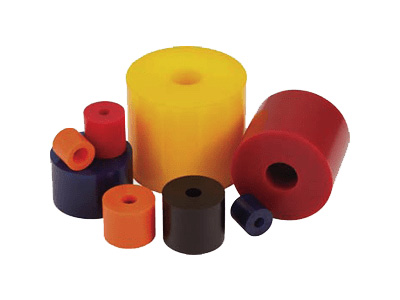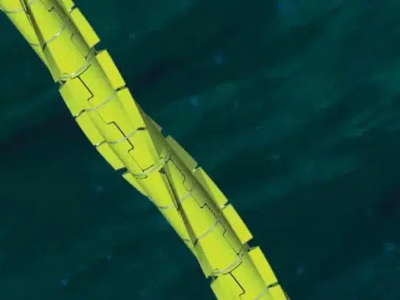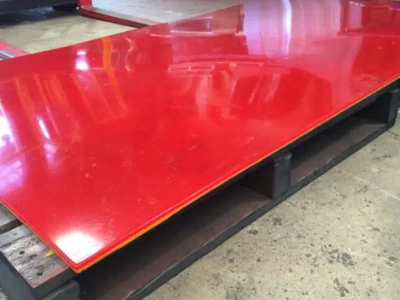
In the field of subsea cable and umbilical protection systems, the performance of a bend restrictor directly determines the integrity and lifespan of the entire marine energy project. Currently, there are two primary manufacturing routes for these components: Polyurethane Casting and Polyurethane Injection Moulding. While the finished products may appear similar, there are significant technical distinctions in material properties, fatigue resistance, and process adaptability.
Fundamental Molecular Differences: Thermoset vs. Thermoplastic
The core difference lies in the material chemistry:
Polyurethane Casting typically employs thermosetting polyurethane. Through a chemical cross-linking reaction between polyols and isocyanates within the mould, it forms a stable, three-dimensional network structure. This provides superior hydrolysis resistance and excellent thermal stability.
Polyurethane Injection Moulding generally uses thermoplastic polyurethane (TPU). Its molecular chains are linear, held together by intermolecular forces. While easy to process, its molecular structure generally means it cannot match the creep resistance and fatigue durability of thermoset materials under sustained high-load or extreme conditions.
Stress Profiles and Structural Integrity
Bend restrictors are subject to constant ocean currents and repeated dynamic bending during their service life.
The Casting process is performed under atmospheric or low pressure, allowing for a steady, controlled solidification. This results in minimal internal stress and a dense, homogeneous internal structure. For thick-walled bend restrictors, this translates to higher reliability, effectively resisting crack propagation under long-term dynamic loading.
The Injection Moulding process relies on high-pressure injection. This environment can lead to significant residual internal stress during the cooling phase of thick-walled parts. If process control is not meticulous, internal defects (such as voids or shrink marks) can occur; in deep-sea high-pressure environments, these defects often act as stress concentrators, potentially shortening the service life.
Design Flexibility and Dimensional Adaptability
Bend restrictors often feature complex geometries and must be customized based on subsea topography.
Casting has lower structural requirements for moulds and does not require expensive high-pressure injection machinery. This allows manufacturers to flexibly develop custom moulds for different projects, producing long or extra-thick components with shorter lead times and controlled costs.
Injection Moulding is highly dependent on large-scale injection machines and precise, high-pressure moulds. The capital expenditure for these moulds is substantial, and the machinery imposes strict limitations on part dimensions, making small-batch or highly customized production difficult.
Performance in Harsh Environments
Deep-sea environments demand exceptional material performance. Casting allows for the adjustment of chemical formulations to suit specific marine conditions (such as temperature and salinity). This "formulation-level" flexibility enables the material to precisely balance hardness, elasticity, and tensile strength. In contrast, injection-grade TPU is usually limited to commercially available resins, making it difficult to perform specialized fine-tuning for specific marine environments.
The advantage of polyurethane injection moulding lies in high efficiency and large-scale standardized production, making it suitable for smaller, general-purpose components. However, Polyurethane Casting, with its stable thermoset molecular structure, superior fatigue resistance, and ability to accommodate complex, large-scale structures, remains the industry standard for high-performance bend restrictors.