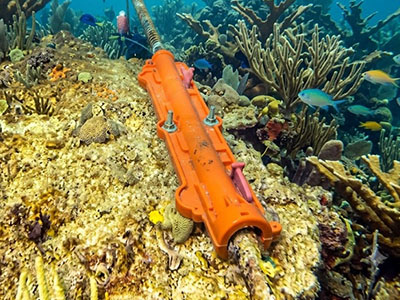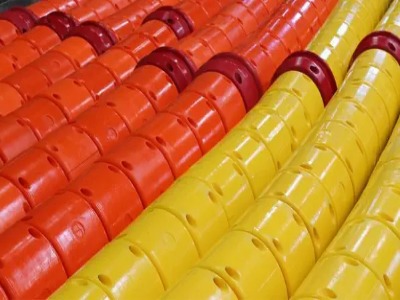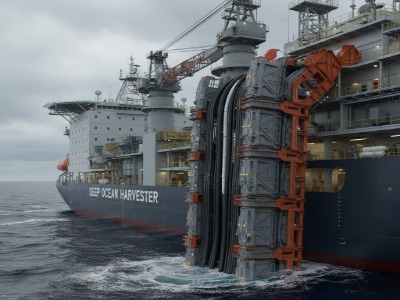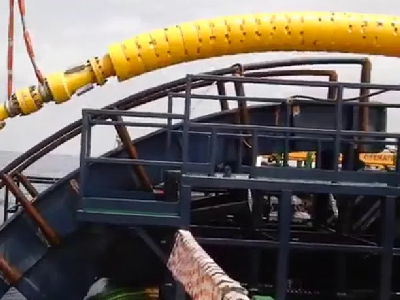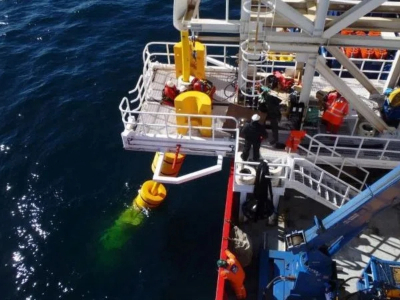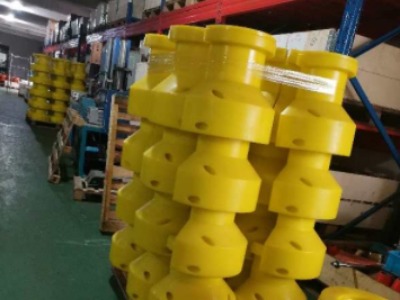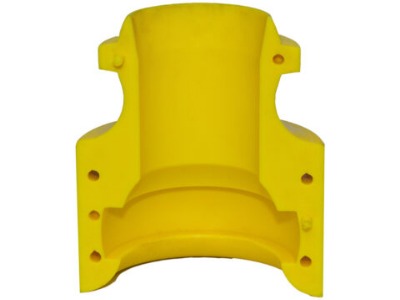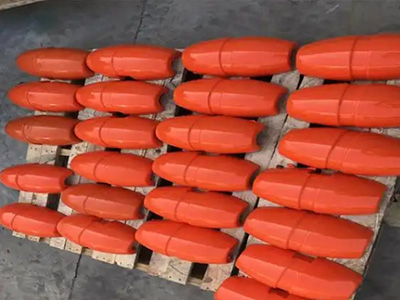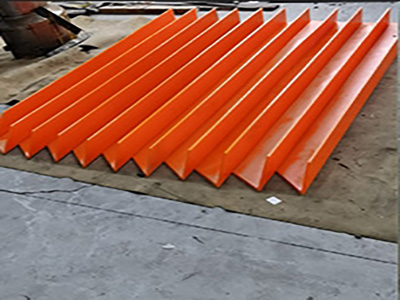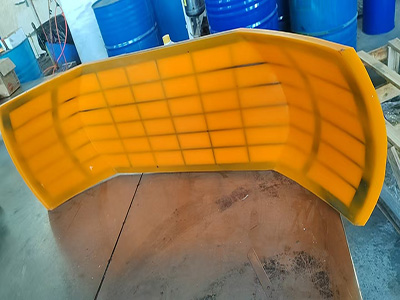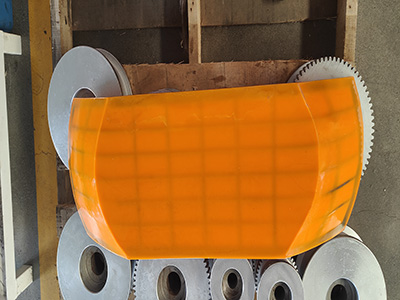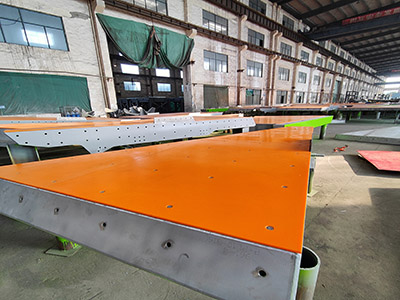
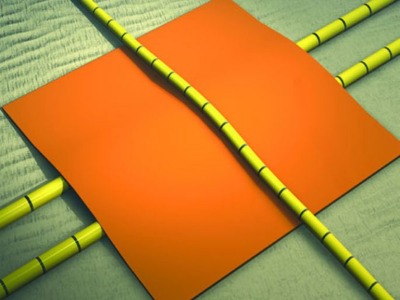
Submarine cable protection for the landing section (shore end) is a mission-critical engineering requirement. As cables transition from deep-sea environments to shallow coastal zones, they are exposed to the highest levels of risk, including strong tidal currents, wave-induced scouring, and frequent human maritime activities such as fishing and anchoring. At Philson, we specialize in providing high-performance Submarine Cable Protectors for the Landing Section, engineered to mitigate these unique hazards and ensure the long-term reliability of your offshore energy and communication lifelines.
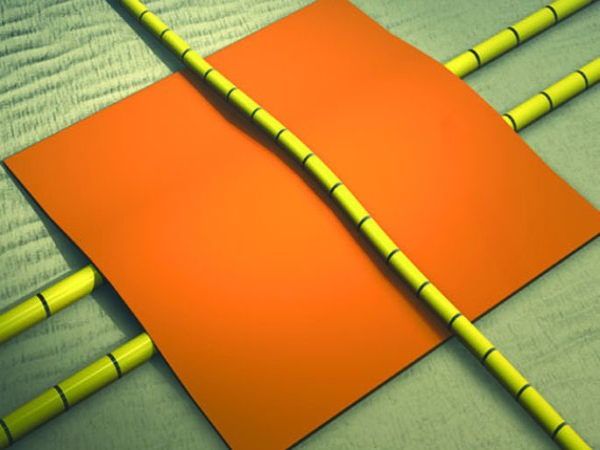
Why Landing Sections Require Specialized Protection
The landing section is arguably the most vulnerable part of any submarine cable system. Unlike deep-sea segments, the shore end faces dynamic environmental stressors:
High-Energy Surf Zones: Constant wave action and tidal shifts can expose or destabilize buried cables.
Mechanical Threats: Cables face an increased risk of impact from ship anchors, dragging fishing gear, and abrasive contact with rocky seabeds.
Installation Precision: Engineering teams require solutions that allow for both rapid installation (for post-lay protection) and long-term mechanical stability.
Key Technical Advantages of Our Protection Systems
Our Submarine Cable Protectors for the Landing Section are designed with advanced material science to thrive in harsh environments:
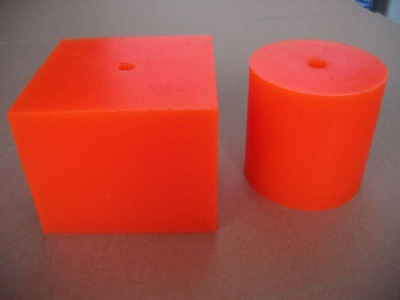
Superior Material Durability: We manufacture these protectors from high-grade polyurethane with a Shore A hardness of 80-95. Our products provide exceptional resistance to seawater, salt spray, and microbial degradation. With a design life exceeding 20 years, they significantly outperform traditional metal or low-grade plastic solutions.
Dynamic Compressive Strength: Our systems are engineered with a dynamic compressive strength of 10MPa. This allows them to withstand extreme hydrostatic pressure and external mechanical impact, safeguarding the cable’s internal insulation.
Optimal Bending Control: Our protectors offer a flexible bending radius (5-8 times the pipe diameter). This design effectively manages the stress concentration inherent in transitioning from rigid seabed structures to dynamic water zones, preventing fatigue failure.
Applications Across the Full Cable Path
Beyond the critical landing section, our protection systems are indispensable for all high-risk zones:
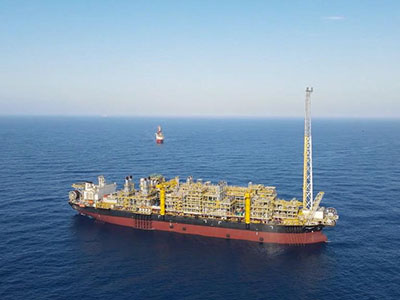
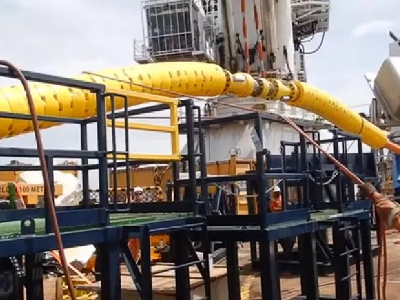
J-Tube Terminations: We utilize custom bending stiffeners to manage high-stress transitions into offshore platforms.
Span Sections: Our systems enhance fatigue resistance and vibration dampening for cables crossing uneven seabed gullies.
Exposed Seabed Segments: We provide reliable, high-durability protection for cables in high-traffic shipping lanes or rocky seabeds.
Your Partner in Offshore Infrastructure
Submarine cables are the lifelines of offshore energy. A robust Submarine Cable Protector for the Landing Section is not merely an accessory; it is a vital engineering investment in the safety and uptime of your project.
As a specialized OEM manufacturer, we provide tailored protection solutions that meet your exact specifications for burial depth, environmental conditions, and material requirements.
Next:
none
Contact us via your preferred channel. We provide 24/7 email support. Submit the form below, and we will answer your questions promptly.