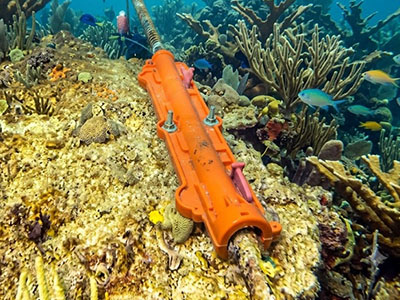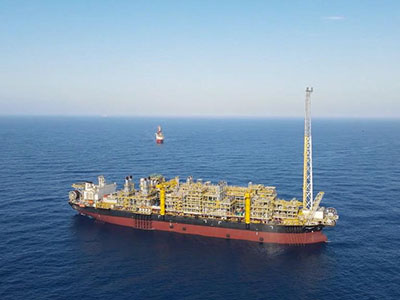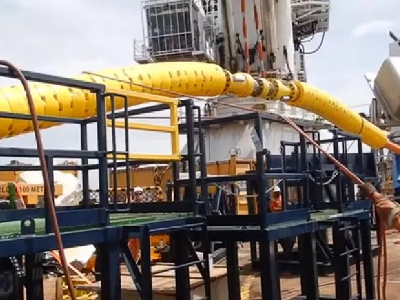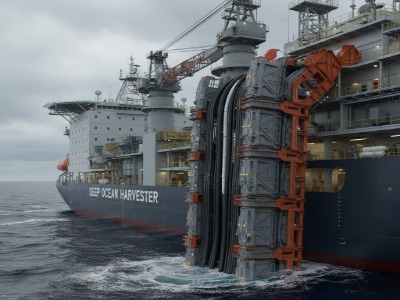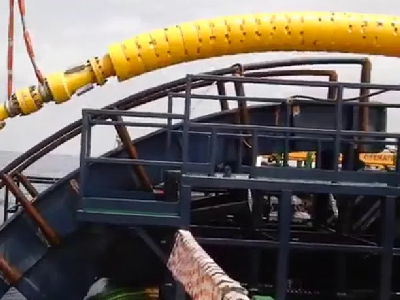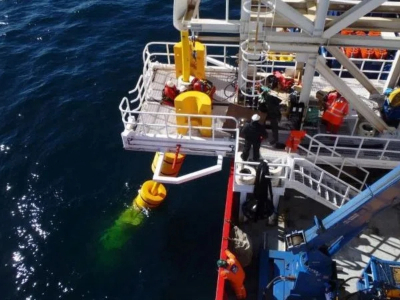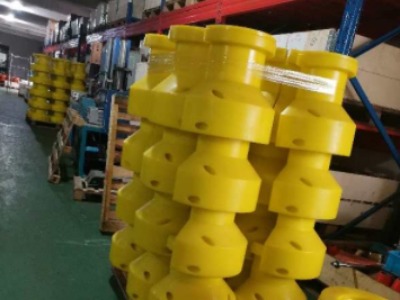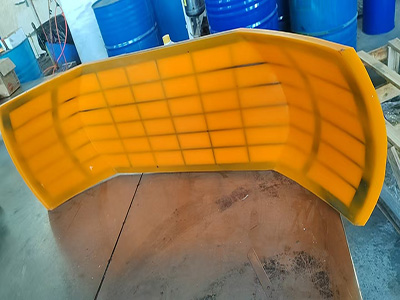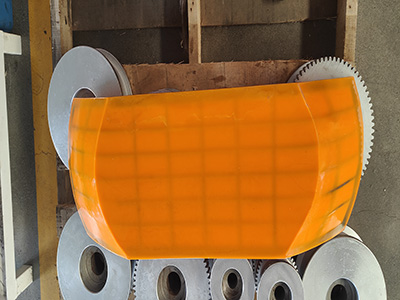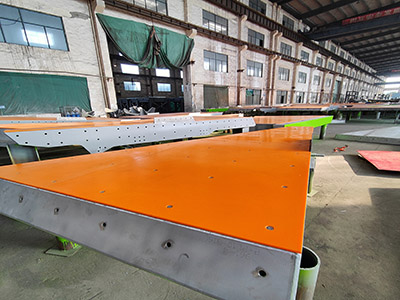
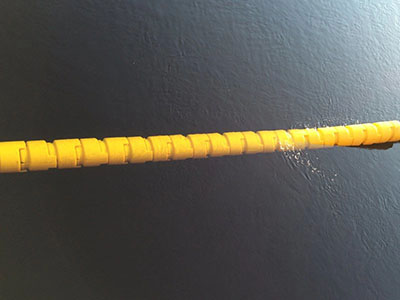
In ocean engineering, exposed cables refer to those laid directly on the seabed without external protection. To prevent fatigue damage or structural failure caused by over-bending, bend restrictor, a rigid protective device, is typically installed to ensure the cable remains within its safe operating limits.
Understanding the Hazards of Unprotected Subsea Cables
Unlike cables housed within conduits, cables resting directly on the seabed are exposed to intense physical stressors. Vortex-Induced Vibration (VIV) is perhaps the most dangerous, where currents flowing across the cable create cyclical shedding, leading to high-frequency fatigue. Furthermore, natural seafloor erosion often creates "free-spans," where the cable remains suspended in the water column. In these instances, the cable experiences localized stress concentrations that can lead to permanent structural damage or core snapping if not managed by specialized Subsea Cable Protection Systems.
Design Features for Bend Restrictors
To effectively shield exposed cables from dynamic ocean forces, modern bend restrictors utilize high-performance, modular engineering:
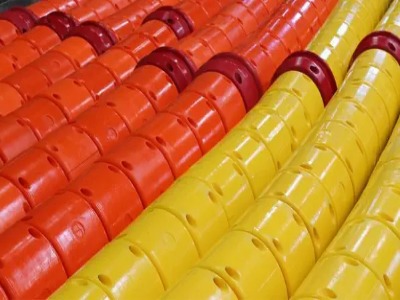
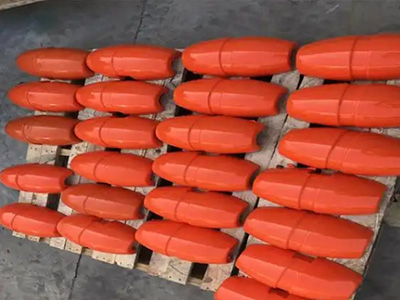
Precision-Engineered Interlocking Segment Mechanics: Using a sophisticated "socket-and-ball" design, these restrictors maintain the cable's structural integrity. When the cable approaches its Minimum Bend Radius (MBR), the segments lock into place, transforming external bending forces into axial pressure, which shields the cable's internal fibers and conductors from exceeding their stress limits.
Hydrodynamic Profile for Drag Reduction: To combat the effects of VIV, these restrictors are sculpted with streamlined, tapered profiles. This geometry disrupts the formation of regular, damaging vortices, significantly reducing the drag force and hydraulic impact exerted on the exposed cable segment.
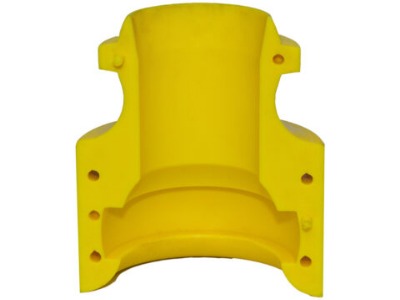
ROV-Friendly Clamshell Installation: Because these cables are often located in deep or inaccessible waters, effective Bend Restrictor Hardware features a "clamshell" hinge design. This allows for rapid, secure deployment via Remotely Operated Vehicles (ROVs) directly on the seabed, eliminating the need for complex subsea cable cutting or retrieval.
Strategic Selection and Installation for Marine Cable
Selecting the right Bend Restrictor Specifications is critical to extending the operational lifespan of your subsea assets. When planning your installation, ensure the following factors are prioritized:
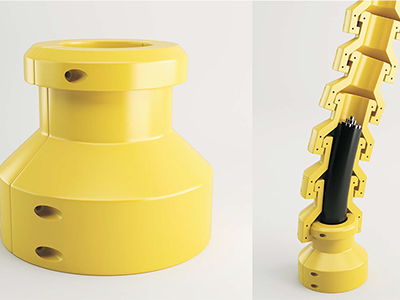
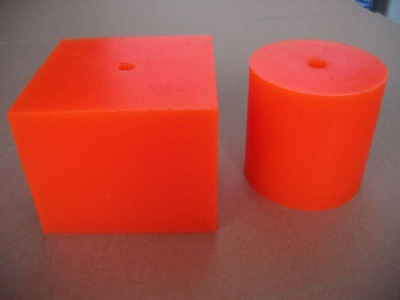
High-Modulus Material Composition: Always specify high-modulus polyurethane for your Marine Cable Bend Protection. This material provides the necessary stiffness to withstand harsh underwater pressures while preventing long-term creep under constant environmental load.
Dynamic Fatigue FEA Validation: Never rely on static calculations alone. Conduct Finite Element Analysis (FEA) specifically simulating the long-term cyclic stresses of your local current profiles. It is industry best practice to maintain a 10–15% safety margin beyond the cable’s rated MBR to account for unexpected ocean turbulence.
Anti-Fouling and Environmental Durability: The outer surfaces of the Bend Limiting Devices should be treated to resist marine bio-fouling. Accumulation of marine growth increases the cable’s profile, drastically increasing drag and potential vortex shedding, which can prematurely fatigue both the cable and the protection system.
Targeted Deployment at Stress Nodes: Rather than covering the entire length of the cable, use multi-beam echosounder data to identify specific "hotspots"—areas where the seabed gradient changes sharply—and install the Bend Restrictor Systems at these critical transition points.
Whether you are managing complex subsea power lines or fragile fiber-optic communication arrays, the right protection strategy is vital. Are you currently addressing specific free-span challenges on the seafloor, or are you focused on securing the transition zones between the seabed and subsea connectors?
Contact us via your preferred channel. We provide 24/7 email support. Submit the form below, and we will answer your questions promptly.