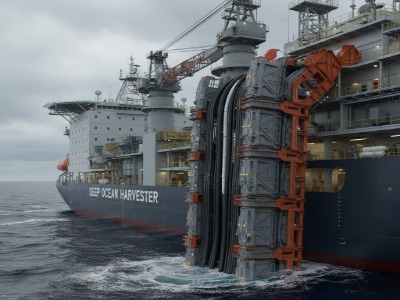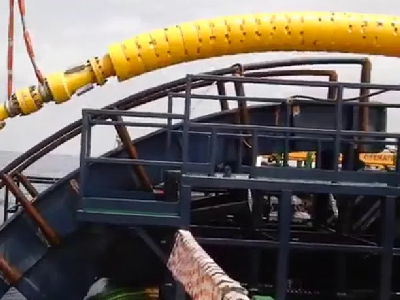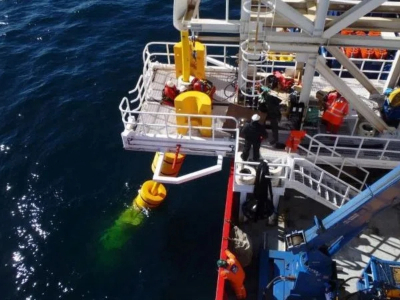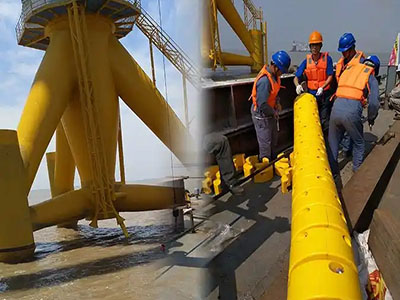
In the field of offshore renewable energy and submarine power transmission, high-voltage (HV) power cables serve as the core energy transmission channels, bearing the vital responsibility of safely delivering massive amounts of electrical energy to target regions. Given the massive scale and continuous scaling-up of these heavy submarine cables, coupled with the immense economic risks posed by subsea maintenance interruptions, providing reliable external protection for these core assets has become a top priority for project developers and EPC general contractors. Among numerous protection technologies, the bend restrictor—a cable protection system specifically designed for harsh marine environments—stands as the core defensive weapon ensuring the safe operation of submarine cables at critical nodes.
Severe Environments and Protection Challenges Faced by High-Voltage Submarine Cables
During their service life, submarine cables are subjected to complex marine dynamic environments and geological conditions. Their primary failure risks and protection requirements are manifested as follows:
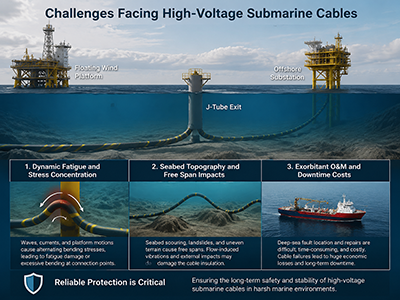
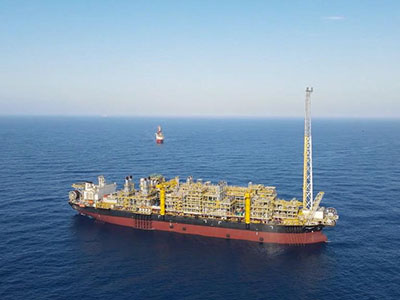
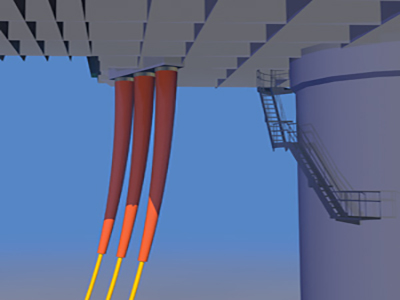
Dynamic Fatigue and Stress Concentration: In intersection areas such as floating wind platforms, offshore substations, and J-Tube exits, ocean currents, waves, and platform motions continuously subject cables to alternating bending stresses. Without effective transition, cables are highly prone to fatigue damage or excessive bending at connection points.
Seabed Topography and Free Span Impacts: Complex seabed scouring, submarine landslides, and uneven terrain easily lead to cable free spans. Free span sections can experience continuous fatigue under flow-induced vibrations, and may even suffer insulation layer damage due to external impacts such as ship anchoring and fishing net dragging.
Exorbitant Operation and Maintenance (O&M) and Downtime Costs: Deep-sea fault location and emergency repairs are extremely difficult, time-consuming, and resource-intensive. The direct economic losses caused by a single submarine cable failure, along with the long-term power generation revenue losses resulting from outages, are often colossal.
Core Protection Solution of Bend Restrictors
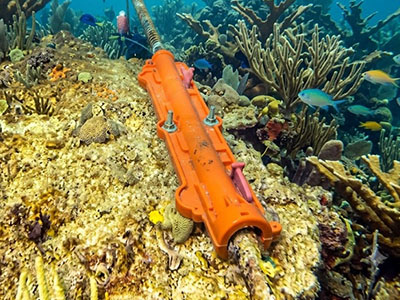
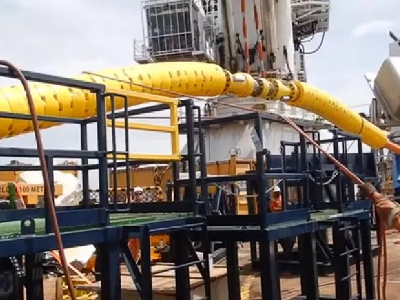
To mitigate the aforementioned dynamic risks and ensure that high-voltage submarine cables do not exceed their allowable Minimum Bend Radius (MBR) at critical nodes (such as J-Tube exits and subsea termination joints), bend restrictors have become core components ensuring system safety.
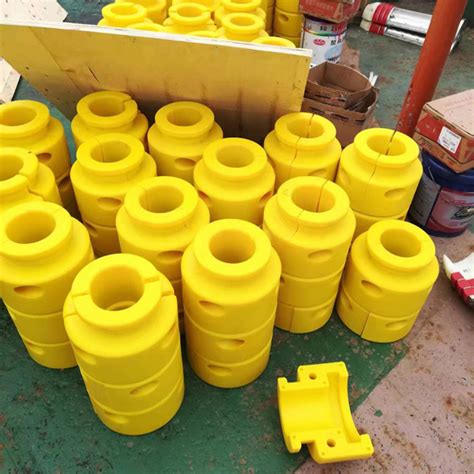
1. Working Principle and Structural Design of Bend Restrictors
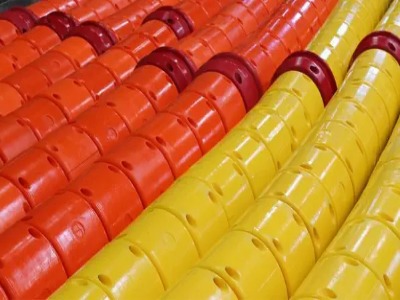
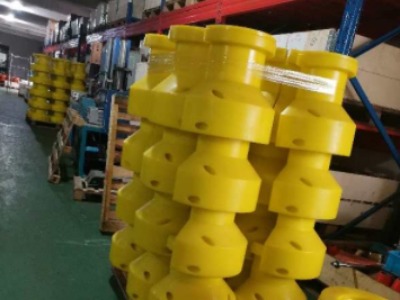
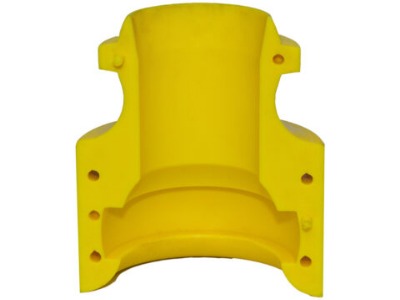
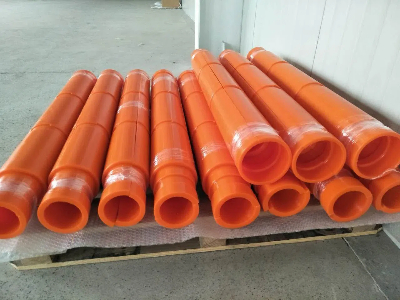
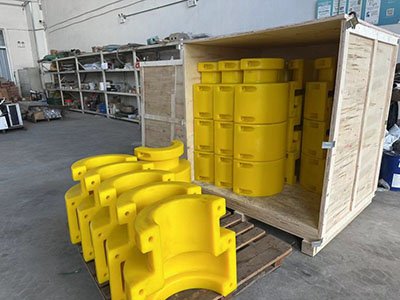
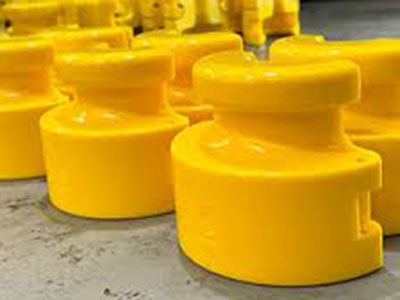
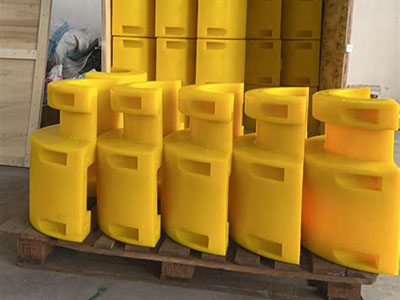
A bend restrictor typically consists of a series of high-strength, interlocking polyurethane (PU) modules. When the cable is subjected to lateral external forces or displacement, these modules engage tightly in sequence to form a preset safe arc, forcibly restricting the cable's bend degree in any direction from falling below the design limit, thereby effectively eliminating stress concentration.
2. Core Technical Advantages of Submarine Cable Bend Restrictors
Precise Stress Dispersion: Concentrated dynamic bending stresses are evenly dispersed across the entire length of the restrictor, significantly extending the service life of the cable.
Superior Material Performance: Manufactured using high-performance polyurethane materials, offering exceptional resistance to seawater hydrolysis, wear resistance, and multi-decade design life resistance against ultraviolet radiation and aging.
Modular Installation and Customized Adaptation: Supports parametric customization tailored to specific project cable outer diameters, weights, and loading environments, providing tailored solutions specifically for large-diameter, heavy high-voltage submarine power cables of 35kV and above.
For offshore wind farms and large-scale subsea power grid projects, investing in high-standard engineering protection systems is crucial. By equipping large-diameter high-voltage power cables (HV) with heavy-duty polyurethane bend restrictors, operators can ensure the long-term structural integrity of subsea transmission lines, the stability of power transmission, and the maximized uptime of the entire marine energy network.
Ready to upgrade the protection for your offshore wind or subsea cable project? Contact our engineering experts today for a customized polyurethane bend restrictor solution and technical datasheet to safeguard your critical marine energy assets!
You can contact us any way that is convenient for you. We are available 24/7 via email. You can also use a quick contact form below or visit our website. We would be happy to answer your questions.