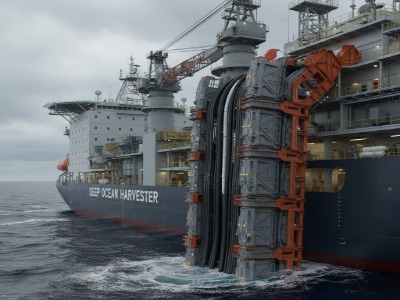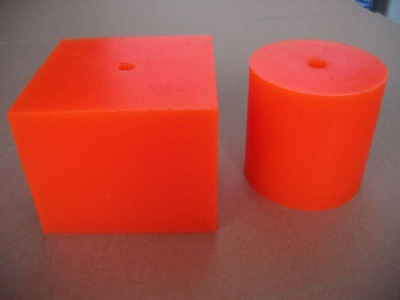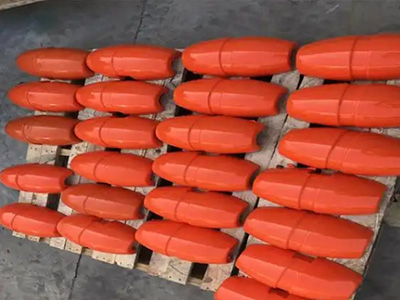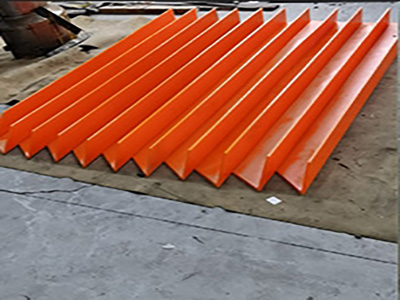
In offshore engineering, Vortex-Induced Vibration (VIV) suppression systems—such as polyurethane VIV strakes and companion bend restrictors—rely on advanced polymer technology to protect critical subsea assets. Philson specializes in manufacturing high-performance polyurethane components designed to withstand harsh marine environments.

1. What Are VIV Suppression Strakes?
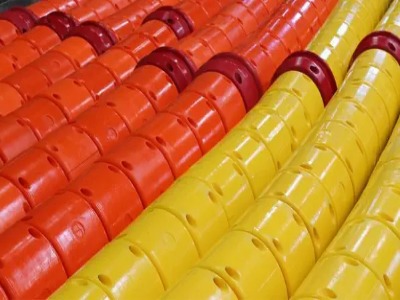
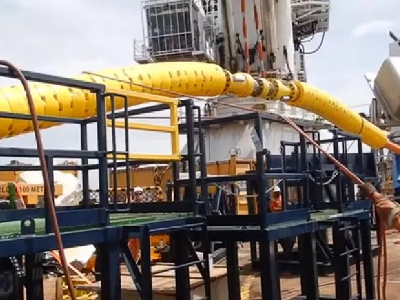
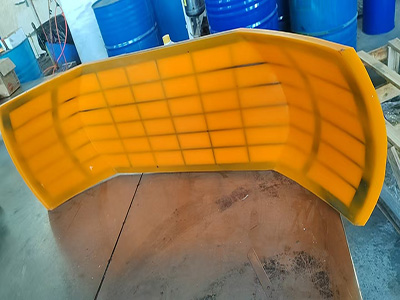
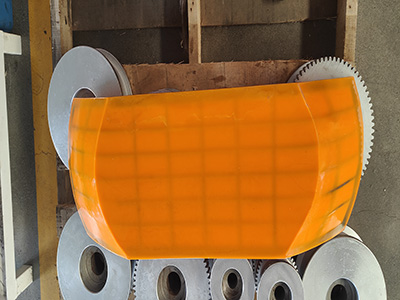
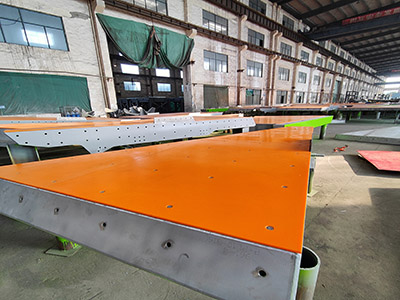
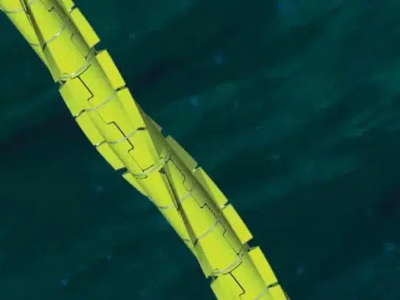
VIV suppression strakes feature a symmetrical segmented structure secured with metal strips, engineered for pre-installation or direct deployment on offshore pipelines and risers.
Flow Disruption: By disrupting water flow and shedding vortices, they effectively reduce vibration amplitude.
Optimized Geometry: Standard geometric designs commonly utilize a 16–17.5D pitch × 0.25D fin height or a 5D pitch × 0.14D fin height, optimized through computational fluid dynamics (CFD) for maximum suppression efficiency.
2. Why Polyurethane? Key Material Advantages
Polyurethane has become the industry-standard material for offshore cable and pipeline protection systems—including both VIV strakes and subsea bend restrictors—due to a unique combination of mechanical, chemical, and operational advantages:
High Elasticity & Damping Properties
Low Elastic Modulus: At roughly 1/5 to 1/3 the modulus of steel, polyurethane deforms significantly under load to absorb energy and mitigate fatigue stress.
Superior Damping Performance: Features a loss factor much higher than steel, rapidly converting vibration energy into heat to reduce vibration amplitude by 30%–50%. At a flow rate of 2 m/s, vibration amplitude can be controlled to within 0.2 mm.
Exceptional Corrosion Resistance
Chemical Stability: Highly resistant to seawater, acids, alkalis, and organic media, showing minimal strength degradation in long-term salt spray environments compared to stainless steel.
Antifouling Surface: The smooth finish resists the growth of barnacles and algae, preventing biofouling-induced flow field distortion and subsequent vibration increases.
Lightweight & Mechanical Compatibility
Reduced Top-Side Load: With a density roughly 1/6 that of steel, it cuts overall structural loads by 15%–25%, lowering strength demands on platforms and support structures.
Robust Mechanics: Features an adjustable tensile strength of up to 50 MPa and a fatigue limit of 20 MPa, meeting stringent long-term deep-sea service requirements.
Easy Processing & Installation
Precision Manufacturing: Perfectly suited for custom designs via injection molding, achieving high dimensional accuracy without requiring complex welding.
Efficient Deployment: Lightweight modules allow for a splicing and installation efficiency approximately 40% higher than traditional steel strakes.
3. Integrated Offshore Protection: VIV Strakes & Bend Restrictors
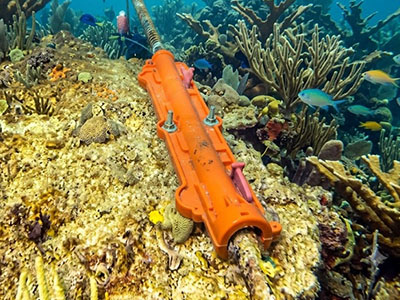
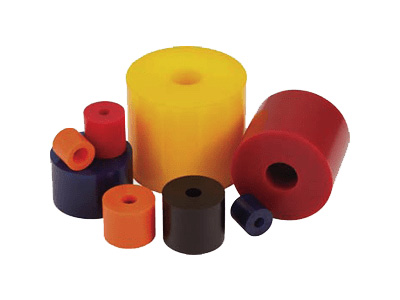
Beyond VIV suppression strakes, this high-performance polyurethane formulation is the core material utilized in Philson’s subsea bend restrictors.
VIV Strakes: Mitigate vortex-induced fatigue along the span of risers and umbilicals.
Bend Restrictors: Interlocking polyurethane units prevent over-bending at critical termination points (such as subsea tree connections or vessel entry points).
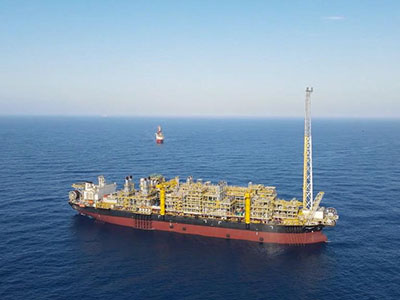
Together, these engineered polyurethane solutions provide comprehensive, long-term mechanical protection across the entire lifecycle of offshore oil, gas, and renewable energy projects.
Conclusion
With its exceptional elastic damping, corrosion resistance, lightweight nature, and ease of installation, polyurethane provides efficient and reliable protection for offshore pipelines, risers, and umbilical systems.