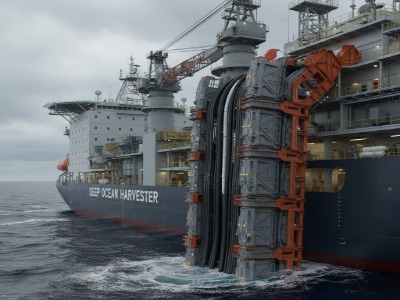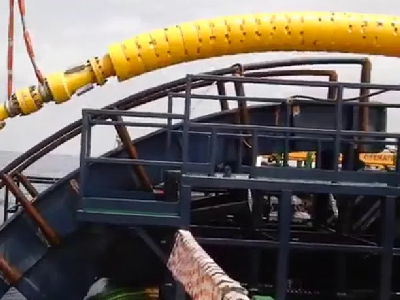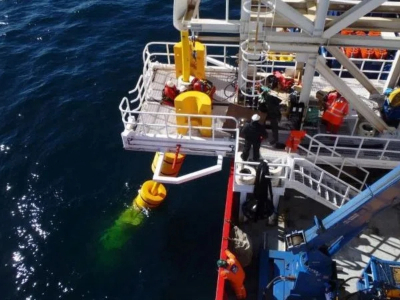
Subsea fibre optic cables form the invisible backbone of global internet traffic, connecting continents, offshore energy installations, and subsea observation networks. Operating in deep-water and marine environments exposes these cables to severe mechanical challenges, including dynamic wave action, strong subsea currents, and installation stresses.
To prevent catastrophic fiber failures caused by excessive bending, bend restrictors for subsea fibre optic cable are engineered as a vital line of defense at critical seabed interfaces and transition zones.
What is a Subsea Fibre Optic Cable Bend Restrictor?
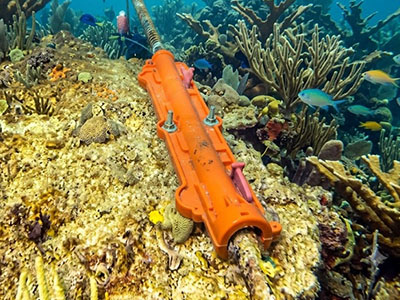
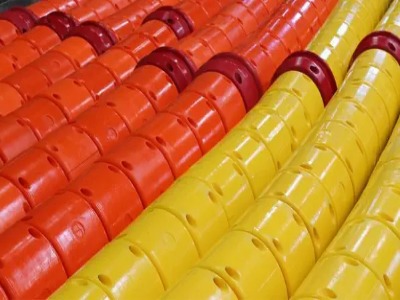
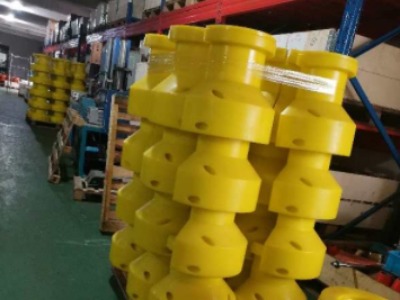
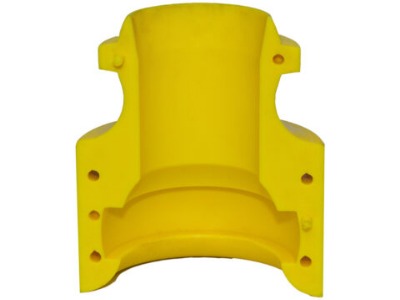
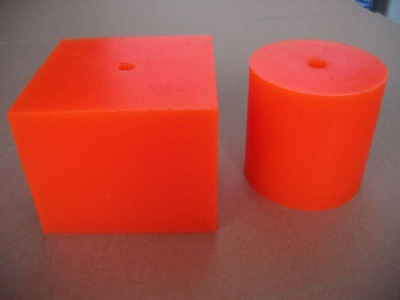
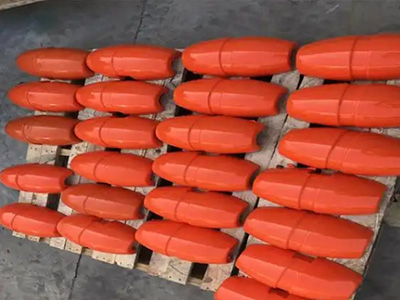
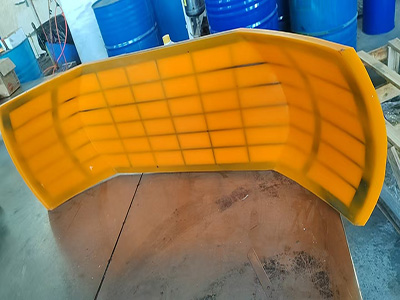
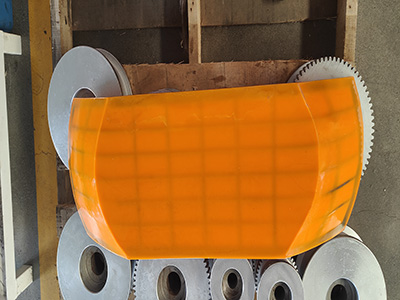
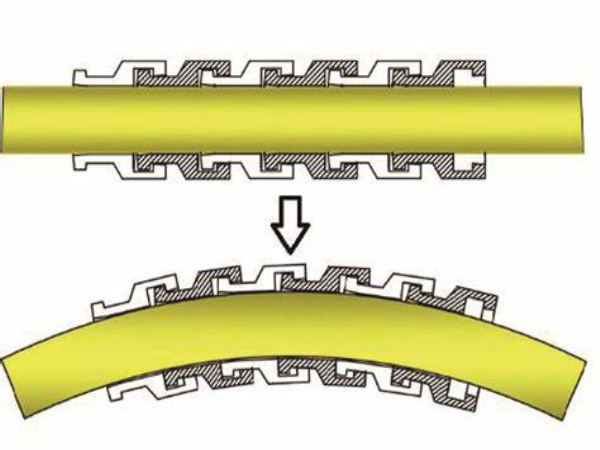
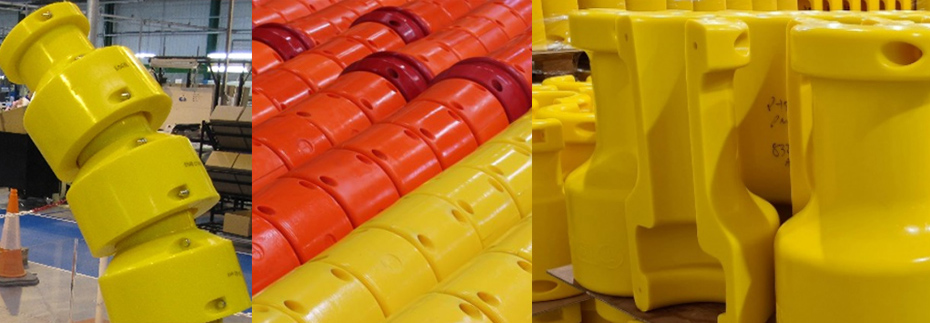
A subsea bend restrictor is a specialized, modular mechanical protection device designed specifically for underwater deployment. Typically manufactured from high-grade polyurethane (PU), it consists of multiple interlocking segments that lock together when subjected to bending forces.
When dynamic loads—such as ocean currents, vortex-induced vibrations (VIV), or vessel operations—pull or push on a subsea fibre optic cable, the device forms a controlled, semi-rigid radius. It strictly prevents the subsea cable from exceeding its minimum bending radius (MBR), safeguarding the fragile optical fibers inside from micro-bends, macro-bends, and signal attenuation in deep-sea conditions.
Key Subsea Applications
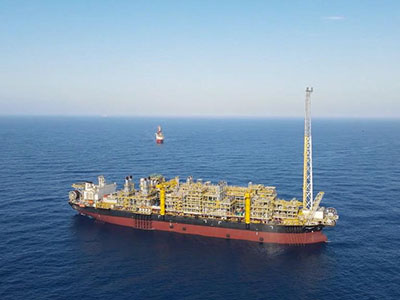
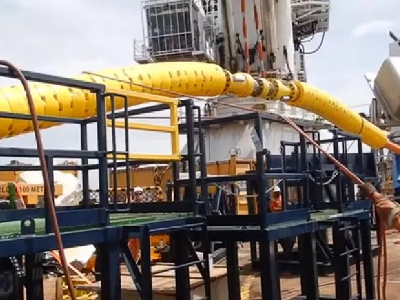
Subsea Termination and Platform Drop-Ins: At the transition points where submarine cables enter subsea production systems, repeaters, branching units, or topside platform pull-in tubes, wave action and tidal currents create continuous fatigue. Bend restrictors absorb these dynamic loads and prevent over-bending at the cable root.
Seabed Transitions and Free Spans: When subsea fibre optic cables span uneven seabed terrain, cross rock outcrops, or transition into burial trenches, unsupported sections are vulnerable to cyclic fatigue caused by water currents. Installing bend restrictors at these critical junctures ensures a safe, controlled curvature profile.
ROV and Subsea Umbilical Interconnections: During deep-water Remotely Operated Vehicle (ROV) interventions and modular hook-ups, fibre optic lines integrated into umbilicals experience high handling stresses. Bend restrictors protect these vulnerable connection interfaces during deployment and retrieval.
Advantages of Polyurethane (PU) Bend Restrictor
Subsea environments demand materials with exceptional longevity and chemical resistance. Polyurethane is the industry standard for subsea bend restrictors due to its distinct performance properties:
Superior Hydrolysis and Seawater Resistance: Withstands decades of immersion in cold, high-pressure seawater without degrading.
High Impact and Abrasion Resistance: Protects against seabed friction, shifting sediments, and marine growth impacts.
Optimized Mechanical Strength: Delivers the precise balance of rigidity and controlled flexibility required to handle long-term cyclic fatigue in deep-water currents.
As global reliance on subsea data networks expands, ensuring the physical survivability of submarine infrastructure is critical. Subsea fibre optic cable bend restrictors provide a robust, engineered solution that protects delicate optical pathways against extreme marine forces, securing uninterrupted communication across the ocean floor. Contact us.
Contact us via your preferred channel. We provide 24/7 email support. Submit the form below, and we will answer your questions promptly.