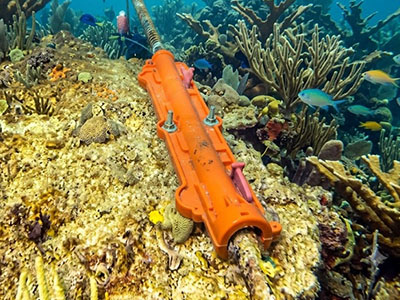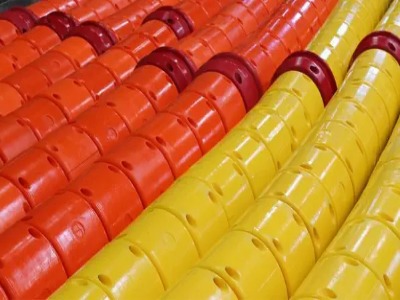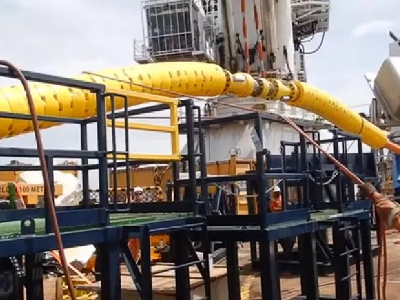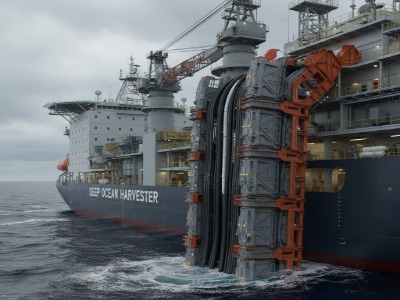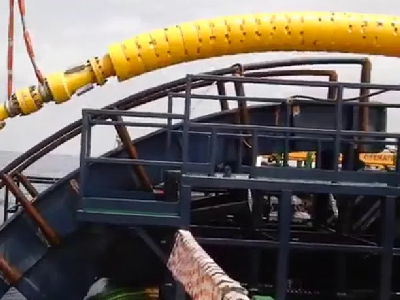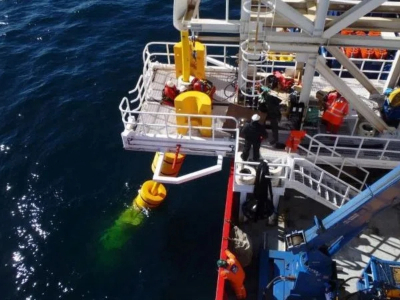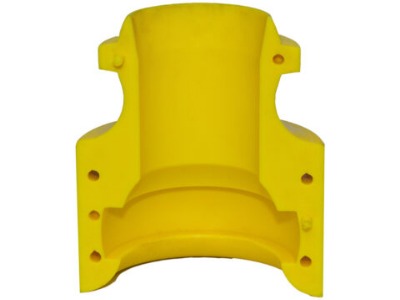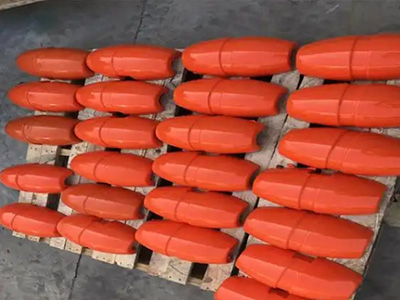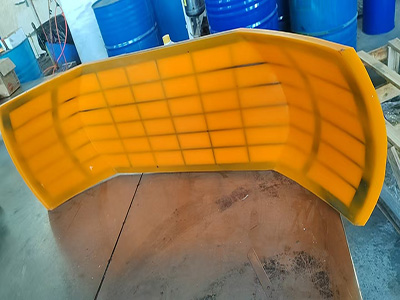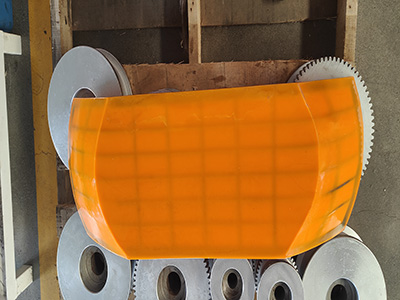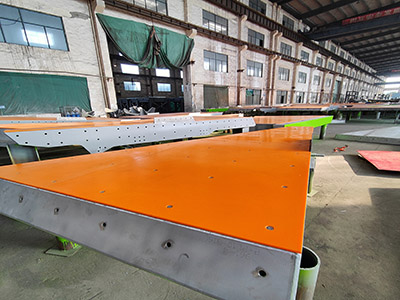
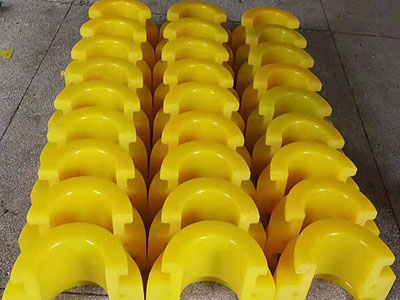
In offshore oil and gas operations, protecting critical subsea assets from excessive bending stress is essential for ensuring long-term reliability and operational safety. The Joint Bend Restrictor (JBR) is a key mechanical protection component specifically designed to control the minimum bend radius (MBR) of offshore umbilicals, flexible risers, and pipelines at connection points.
Engineered for harsh marine environments, Joint Bend Restrors provide robust mechanical support, reduce fatigue damage, and extend the service life of subsea systems.
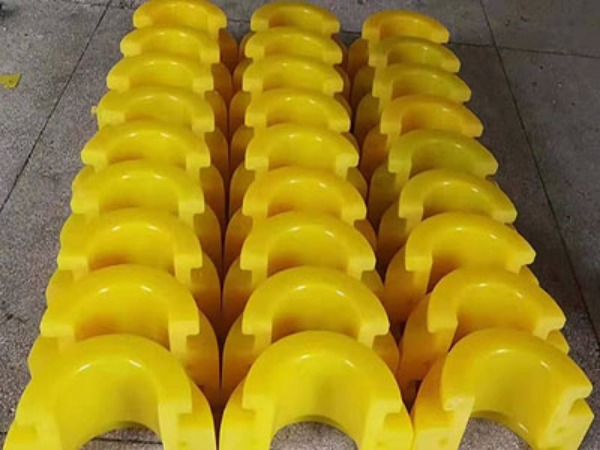
What is a Joint Bend Restrictor?
A Joint Bend Restrictor is a segmented or integrated protective device installed at critical junctions—such as terminations, connectors, or hang-off points—where offshore umbilicals and pipelines are most vulnerable to overbending.
It functions by:
Limiting curvature to within the allowable bend radius
Distributing stress along the length of the component
Preventing kinking and structural damage
JBRs are widely used in dynamic and static subsea applications, especially in deepwater and ultra-deepwater environments.
Key Features
1. Precise Bend Radius Control
The JBR is designed to ensure that the umbilical or pipeline never exceeds its minimum bend radius, effectively preventing mechanical failure.
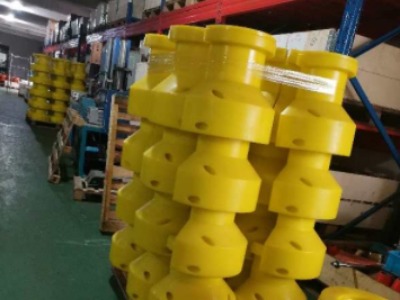
2. Modular or One-Piece Design
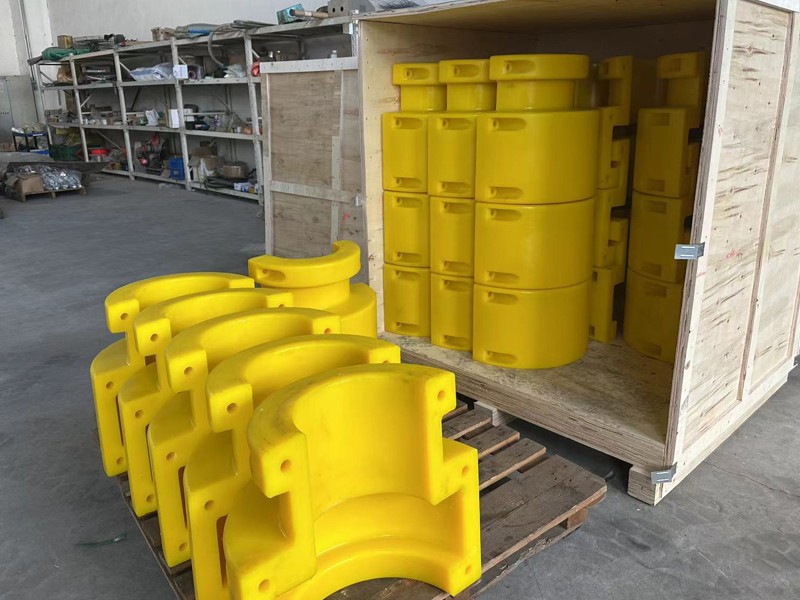
Available in both modular segmented units and monolithic designs to accommodate different installation requirements and space constraints.
3. High-Strength Materials
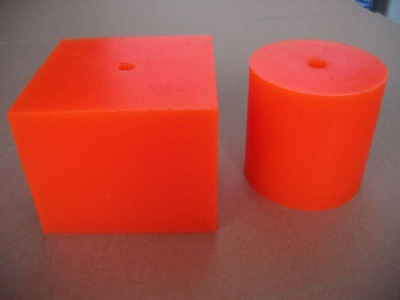
Manufactured from durable polymers such as polyurethane or high-density polyethylene (HDPE), offering excellent resistance to:
Corrosion
UV exposure
Seawater degradation
Mechanical wear
4. Lightweight and Easy Installation
Compared to traditional steel protection systems, JBRs are lightweight, reducing installation time and offshore handling complexity.
5. Long Service Life
Engineered for long-term subsea deployment with minimal maintenance, ensuring reliability throughout the project lifecycle.
Applications
Joint Bend Restrictors are widely used across offshore oil and gas and subsea industries, including:
Offshore umbilicals
Flexible risers and flowlines
Subsea pipeline connections
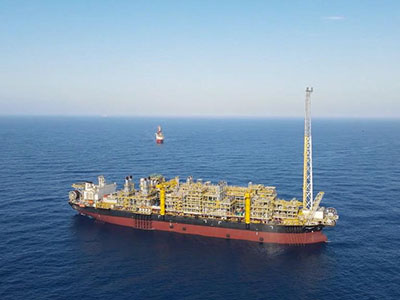
FPSO (Floating Production Storage and Offloading) systems
Subsea trees and manifolds
Cable protection systems in offshore wind farms
Customization Options
To meet specific project requirements, Joint Bend Restrictors can be customized in terms of:
Inner diameter (ID) and outer diameter (OD)
Bend stiffness profile
Segment length and configuration
Material grade and hardness
Connection interface compatibility
Advanced engineering analysis, including finite element analysis (FEA), is often used to optimize the design for specific load cases and environmental conditions.
Conclusion
The Joint Bend Restrictor is an indispensable component in offshore subsea systems, providing critical protection against overbending and mechanical stress. Its robust design, corrosion resistance, and adaptability make it a reliable solution for safeguarding umbilicals and pipelines in demanding offshore environments.
By integrating high-performance JBRs into your subsea infrastructure, operators can significantly enhance system integrity, reduce downtime, and ensure safe and efficient long-term operations.
Contact us via your preferred channel. We provide 24/7 email support. Submit the form below, and we will answer your questions promptly.