In the complex world of subsea energy infrastructure, the distinction between standard floats and professional buoyancy modules is not just a matter of terminology—it is a critical engineering decision that dictates the safety, efficiency, and longevity of your offshore assets.
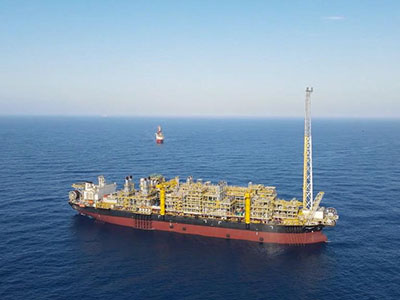
As offshore projects extend into deeper, more challenging environments, the industry is increasingly moving away from generic floating devices toward precision-engineered Umbilical Buoyancy Modules (UBMs). At Philson, we frequently receive inquiries regarding the difference between these solutions, and we believe it is essential for project managers and engineers to understand why the distinction matters.
The Core Difference: Engineering vs. Simple Displacement
The fundamental difference lies in environmental adaptation and structural integrity.
The Limitation of "Floats": The term "float" often describes rudimentary displacement devices designed for shallow, low-pressure environments. While they may provide buoyancy in near-shore or surface applications, they often lack the robust material science required for the deep sea. Under the intense hydrostatic pressure of deep-water environments, standard floats can experience volumetric compression, leading to significant loss of buoyancy and premature failure.
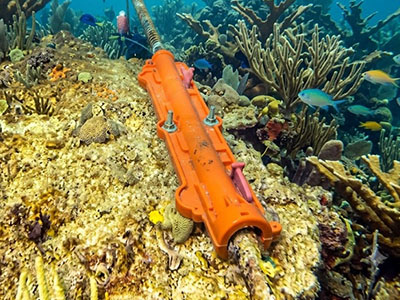
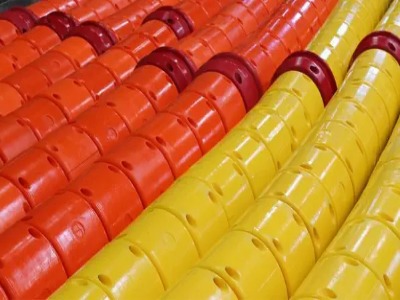
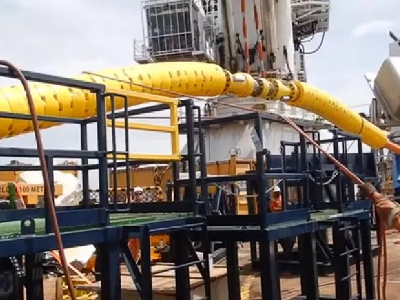
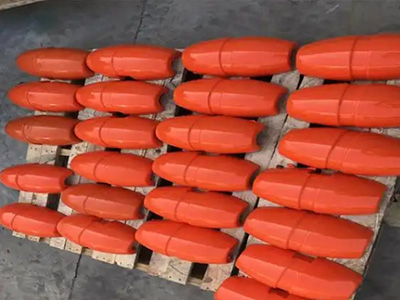
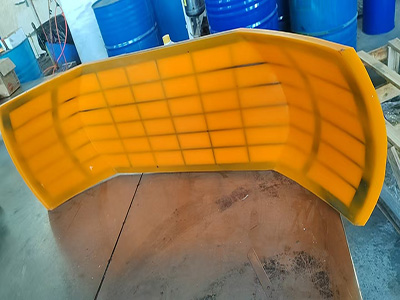
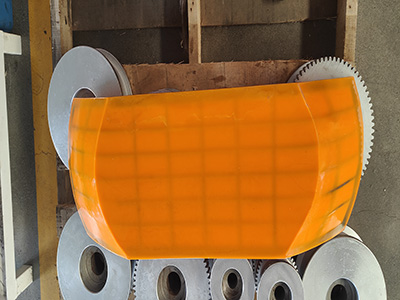
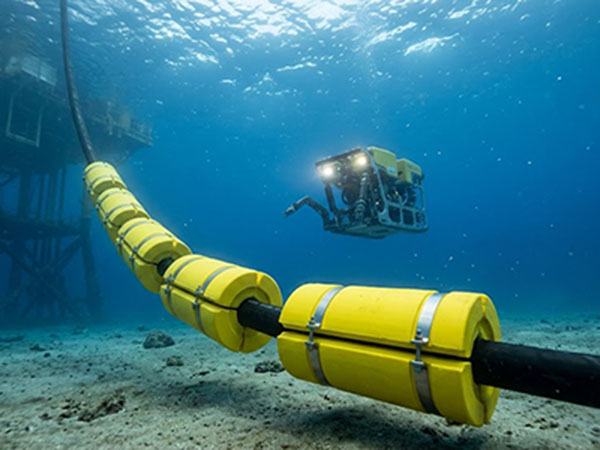
The Power of Buoyancy Modules (UBMs): In contrast, professional Buoyancy Modules—such as those manufactured by Philson—are built using advanced syntactic foam and high-grade polyurethane shells. These modules are specifically engineered to maintain their displacement and structural integrity at extreme depths. They are not merely "attachments"; they are precise tools designed to manage cable geometry, control bending radii, and withstand decades of seawater corrosion and hydrodynamic stress.
Why Specialized UBMs Matter for Offshore Reliability
For critical infrastructure like subsea umbilical cables and power lines, the reliance on substandard floating gear can lead to:
1. Cable Fatigue: Inadequate buoyancy profiles lead to improper catenary configurations, accelerating mechanical wear.
2. Increased Maintenance: Low-grade materials degrade quickly in marine environments, leading to costly subsea interventions.
3. Operational Risk: Inconsistent buoyancy performance can put the entire cable path at risk, especially in high-traffic or high-current zones.
Philson’s Commitment to Precision
As a specialized OEM manufacturer, Philson designs buoyancy solutions that meet the exact technical specifications of modern offshore platforms. We do not just provide "floats"; we provide **engineered buoyancy systems** characterized by:
Pressure-Resistant Design: Optimized for deep-sea depths to ensure stable performance over a 20-year design life.
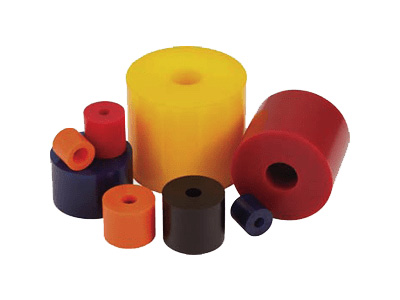
Impact Resistance: High-grade polyurethane coatings to survive harsh subsea collisions and scouring.
Modular Integrity: Two-piece clamp designs that ensure secure, long-term attachment to pre-laid cables.
In the subsea sector, there is no room for guesswork. When your offshore operations depend on the integrity of your cables, choosing professional Buoyancy Modules over standard floats is an investment in your project’s long-term success.
About Philson:
Philson Intelligent Equipment (Jiangsu) Co., Ltd. is a leading OEM manufacturer based in China, specializing in high-performance polyurethane components, wheel block systems, and subsea buoyancy solutions for the global offshore energy and industrial sectors.