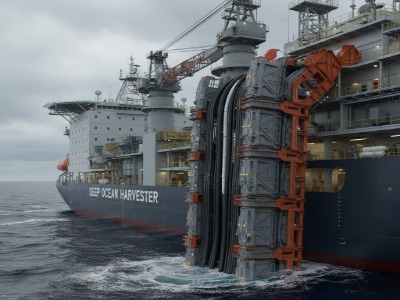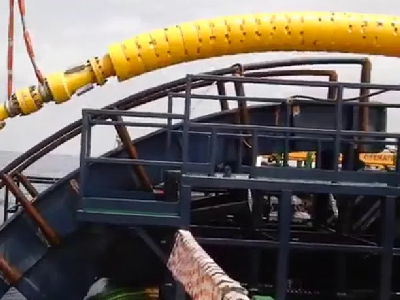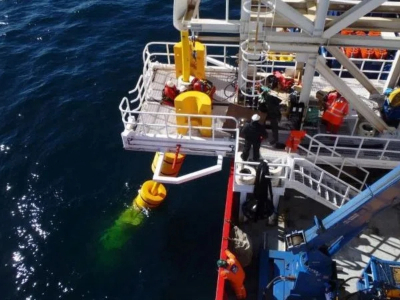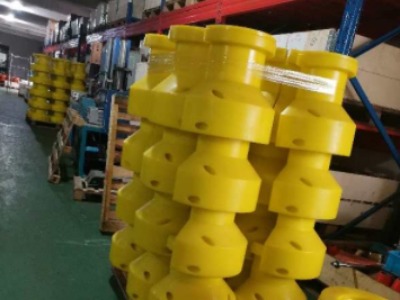
Buoyancy modules play a crucial role in ensuring the safe installation and long-term operational stability of cables, pipelines, and subsea equipment in offshore wind farms, oil and gas projects, and subsea cable engineering.
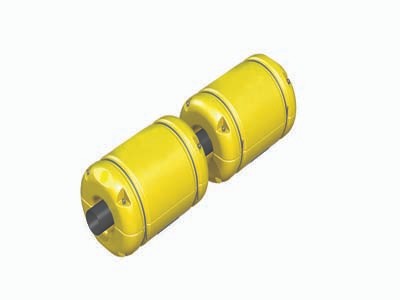
Function of Buoyancy Modules
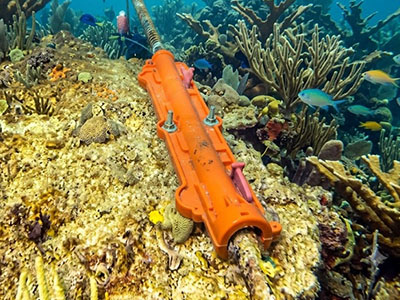
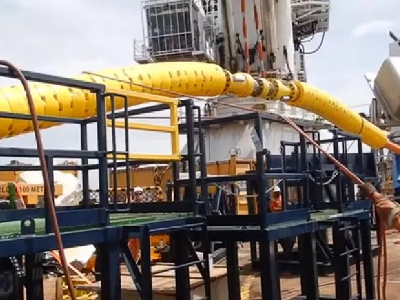
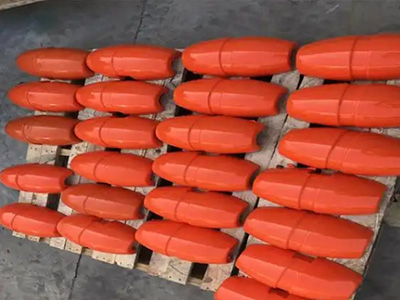
Buoyancy modules provide controlled buoyancy and support for subsea cables, umbilicals, and pipelines. They help maintain accurate positioning in the water column, reduce mechanical stress during installation, and ensure long-term operational stability under harsh marine conditions.
Materials for Buoyancy Modules
The outer layer of buoyancy modules typically consists of a protective shell or coating designed to withstand seawater, impact, and abrasion. Common outer materials include:
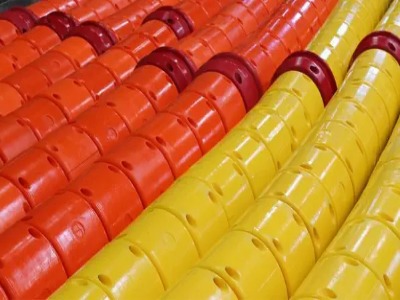
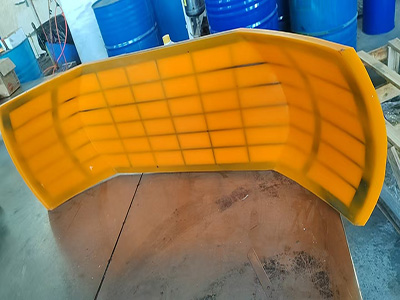
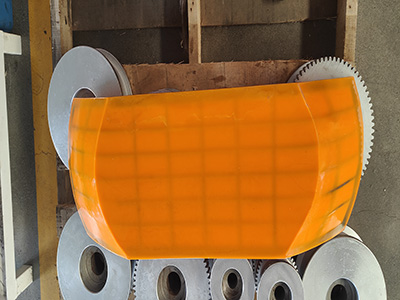
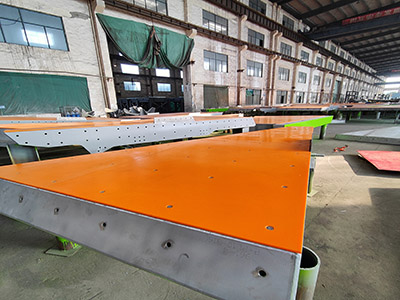
Polyurethane (PU) Elastomer Coating: The most widely used option, offering toughness, abrasion resistance, seawater resistance, and UV resistance, making it ideal for offshore buoyancy modules.
High-Density Polyethylene (HDPE) Shell: Sometimes used as a rigid outer casing to provide impact protection.
Fiber-Reinforced Plastic (FRP) or Composite Shell: Employed for specialized buoyancy modules requiring enhanced strength.
Typically, the core provides buoyancy (e.g., syntactic foam, PU foam), while the outer layer is made of polyurethane or polyethylene to withstand harsh subsea environments.
Key Considerations for Customized Design
Water Depth Rating: Designs for shallow, mid-depth, and ultra-deep water environments with varying pressure resistance capabilities.
Buoyancy Requirements: Precise calculations based on cable or umbilical diameter, weight, and installation tension.
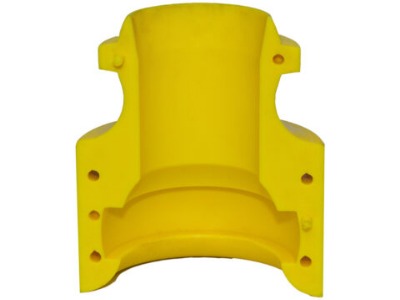
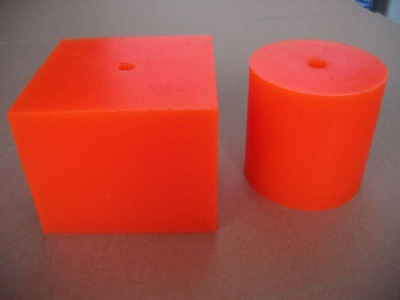
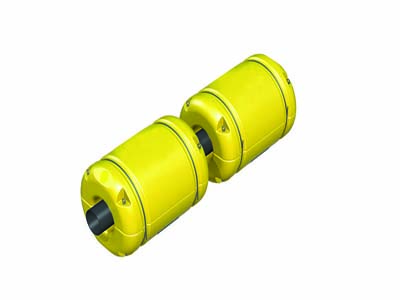
Module Shapes: Options such as half-shell, cylindrical, and rectangular forms to meet specific project needs.
Durability: Enhanced resistance to impact, corrosion, and abrasion to ensure reliability during long-term subsea deployment.
Buoyancy modules are critical components for ensuring the long-term stability of offshore facilities. By providing controlled buoyancy, they enable accurate positioning of subsea cables and pipelines while reducing installation stress. Their structure typically features a syntactic foam core for buoyancy, coated with protective materials such as polyurethane or polyethylene to resist seawater corrosion and physical impacts. Product designs can be customized based on specific project requirements, including water depth, buoyancy needs, and module shape, to meet the demands of various challenging marine environments.
Contact us via your preferred channel. We provide 24/7 email support. Submit the form below, and we will answer your questions promptly.